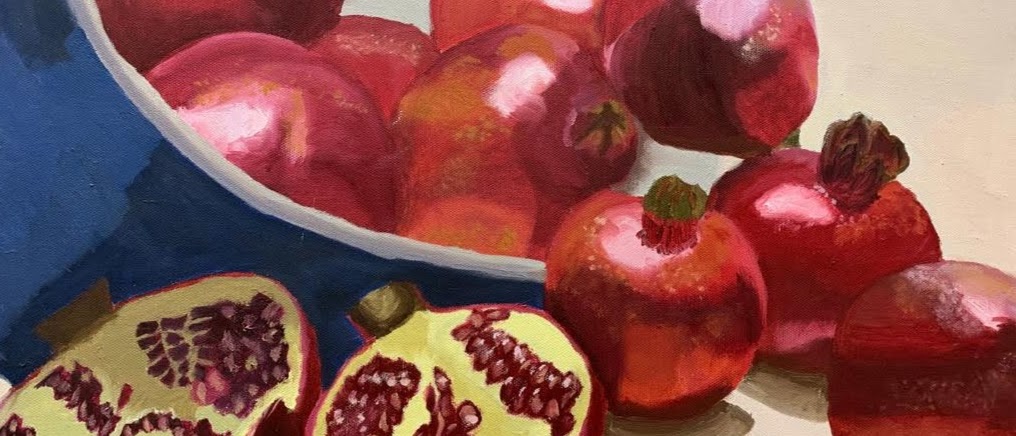
Parshat Ki Tavo opens with an expression of gratitude for Israel and its produce. The interpretation of “bikkurim” – the mitzvah to bring one’s first fruits in Israel to the mikdash – reinforces the Jewish people’s love and commitment to God and Israel throughout history.
Rashi explains that offering the first, often most precious fruits, to God, demonstrated that a person was not “kafui tova,” ungrateful to God. Rambam writes that bikkurim are a reminder to remain humble about our success, and to remember that God is the ultimate source of such blessings. Hence, the verbal recalling of our origins as slaves in Egypt, instilling us with humility and appreciation. In addition to bringing the fruits, a person recites before the kohen: “I acknowledge this day before God, that I have entered the land…” Hence the Sforno and Ramban see bikkurim as an expression of gratitude for the gift of Eretz Yisrael.
When does the mitzvah of bikkurim apply? Midrash Sifrei states that bikkurim apply as soon as an individual enters the land of Israel and begins to produce fruit. Rashi, however, comments that it began only when all of Bnei Yisrael conquered and inherited the land. According to Rashi, there is a communal dimension which is needed in order for bikkurim to be fulfilled properly.
Similarly, the expression of gratitude in our daily tefilla contains this dual nature. “Modeh Ani,” an individual’s immediate and spontaneous expression of gratitude, said each morning before getting out of bed corresponds to Sifrei’s understanding of bikkurim: brought immediately by individuals. Then there is a communal gratitude of “Modim,” in the amidah. This gratitude, expressed in the plural, is likened to Rashi’s view that bikkurim be taken only when all Klal Yisrael was settled in Israel.
The generation entering the land of Israel knows the consequences of spreading ingratitude and negativity about Israel. Bikkurim creates a system for the Jewish nation to practice and ensure communal gratitude and appreciation of Israel throughout all time. Shabbat Shalom -Karen Miller Jackson
 Karen Miller Jackson