
Mikdash Habits

“Meaningful change does not require radical change. Small habits can make a meaningful difference…” -James Clear

There is one word which stands out at the beginning and end of parshat Tetzaveh: “tamid” (continual). The parsha begins with the command to keep the ner tamid burning continually. After describing the priestly garments, it concludes with the mitzvah of continual daily sacrifice – the korban tamid. The mention of the korban tamid is especially curious here, since the Torah lists all of the different types of korbanot in the book of Bamidbar. What is the significance of framing parshat Tetzaveh with the 2 mitzvot which are considered “tamid”?

Rashi interprets both appearances of the word “tamid” as being daily rituals. Rashi defines “tamid” of the ner tamid as lighting “each and every night.” Regarding the korban tamid, Rashi comments – מיום אל יום – from day to day, without missing a day of sacrifice in between. There is great value placed here on daily practices. The midrash further develops this when it compares the continual lighting of the lamp to daily Torah study, which guides people toward mitzvot, acts of lovingkindness and a life of meaning and shields them from stumbling in the dark, leading to transgressions. 

These interpretations all emphasize that it is the small yet daily practices and rituals – uninterrupted and with continual commitment – which have a big effect on building positive behaviors and spiritual growth. This is also the point made by several modern authors on the advantages of establishing daily habits.

Perhaps, this is the theme which frames parshat Tetzaveh, which precedes the sin of the golden calf. Whether it comes to pre-empt or as the antidote to this great stumbling of the Jewish people, this placement suggests that it is the small yet meaningful daily habits and mitzvot which have the greatest effect on how we live our lives. Shabbat Shalom – Karen Miller Jackson

Terumah: The heart of Jewish life

The mishkan (and later the mikdash) was the heart of Jewish life, where God’s presence resided. The Torah refers to the mishkan as “mishkan ha-edut.” To what does it give testimony?

The midrash Tanhuma suggests 2 possibilities. 1) The mishkan is testimony to the Jewish people’s emunah and acceptance of Torah. This makes sense as this week’s parsha, Terumah, contains the command to build the mishkan which follows Matan Torah. 2) The mishkan was physical testimony to the nations of the world that God forgave Israel after the sin of the golden calf. This reading assumes that the command to build the mishkan took place after the chet ha’egel. Here the mishkan bears witness that God rescinded the decree to destroy Israel after Moshe pleads for Israel. The mishkan signified to Israel and the world, or possibly both, that the brit between Israel and God continues and thrives.

What happens to this testimony after the destruction of the Beit Hamikdash? The Talmudic sages provide two possibilities for where God’s presence may reside in Babylonian exile, where there was no mikdash but there were examples of a “mikdash me’at,” mini-mikdash. Rabbi Yitzchak taught that God resides in the Beit Knesset or Beit Midrash, where the community gathers to pray and learn Torah. Rabbi Elazar taught that the Shechinah resides in the home of his teacher, also filled with Torah. The synagogue, the beit midrash, the home, where Jewish people gather, study and perform mitzvot – these places became the heart of Jewish life in the post-Temple times.

Today too, especially in the face of increasing antisemitism, these centers are an extension of the command to build the mikdash and convey meaning for both Israel and the world. Continuing to study, pray and gather – wherever we can – is the strongest expression and testament of vibrant Jewish life and continual bond between God and Israel. Shabbat Shalom🌸- Karen Miller Jackson


Parshat Mishpatim: From Matan Torah to Social Justice

What comes after Matan Torah, the spiritual experience of Divine revelation? It is somewhat surprising that what follows is parshat Mishpatim, which contains many laws (“mishpatim”) based on rational and intellectual reasoning for a just and well-run society. Why do these laws, which should come naturally to all societies, follow the unique and miraculous experience of Matan Torah?

This question is reinforced by Rashi who teaches that these laws were also given at Sinai. Rashi’s comment is based on the midrashic teaching that the word ואלה, “and these,” comes to add something to what came previously. Why is it necessary to say these laws (such as damages, murder, theft, kind treatment of the poor, strangers and widows) were also given by God at Sinai? This highlights a deep connection between the awe-inspiring experience of Matan Torah and the basic justice which should make up the fabric of society. The Lubavitcher Rebbe provides another perspective. The Rebbe explains that other nations may come to these laws through intellectual reasoning. However, the only way to ensure true justice will be carried out is if it flows from the Torah and our recognition that “mishpat,” societal justice, is based on faith and is part of the Sinai experience as well. 

Another possible explanation: One can’t separate spiritual devotion to Torah and God from advocating for justice in society. Mishpatim – the imperative to protect the weak and vulnerable – is the direct continuation of the revelation at Sinai. This synthesis can be seen in the work of Rabbi Simcha Krauss z”l, who passed away last week. His dedication to finding resolutions for the plight of agunot was a model of seeking mishpat which flows from and is the essence of Torah. יהי זכרו ברוך. Shabbat Shalom – Karen Miller Jackson


Lech Lecha: From Loneliness to Community

Parshat Lech Lecha contains a message about individuality but also about community. On the one hand, Avraham stands out for his exemplary uniqueness and ability to stand up for what he believes is right, even if he was alone in his non-mainstream ideas. On the other hand, the parsha emphasizes that Avraham does not remain alone, but together with Sarah, builds a community through his commitment to monotheism and lovingkindness. 

Avraham is commanded by God to leave his home and family to set out for an unknown destination. Rambam teaches that before this, Avraham spent many hours and years meditating alone over the world, until he came to know God the Creator of the world at age forty. Rashi interprets the words “Lech Lecha” (go for yourself) as: for your own benefit and your own good. These sources highlight Avraham’s uniqueness but also his likely loneliness at this point in the narrative. Rabbi Soloveitchik characterizes Avraham as feeling “intense loneliness” before entering into the “brit” or covenantal relationship with God and inspiring others to join the “covenantal community.” 

When Avraham and Sarah set out on their journey they also bring along “the souls they had made in Haran.” This odd terminology is understood by the midrash to mean that Abaraham had taught, hosted and converted the men and Sarah, the women. Based on this, the Ha’amek Davar interprets “Lech Lecha” as meaning that even though Avraham was alone in his faith, he and Sarah chose to share their beliefs along the way and greatly influenced and enriched the lives of others. 

Loneliness is an increasing challenge in our world today. Avraham and Sarah remind us of the greatness of community and provide a model for how to build meaningful relationships. Shabbat Shalom


On motivation

As Yacov’s travels are described in parshat Vayetze, the commentaries are attuned to the ebbs and flows of Yacov’s motivation levels as he makes this uncertain journey. What can we learn about the nature of motivation from Yacov’s experience?First, Yacov leaves Beersheba and goes toward Haran. The Talmud teaches that Yacov had “K’fitzat derech.” God shortened the route for him so that it would pass quickly. Why was this necessary?

Yacov was just sent away from his home, his family and everything he knows. Perhaps the miraculous “kefitzat derech” is meant to help Yaacov who is somewhat overwhelmed by all of these drastic changes. This is further reinforced by the Yacov’s vow and God’s prophecy of reassurance — that he will survive and eventually return home safely. Yacov is concerned for his future.

In contradistinction to this, when Yacov resumes his journey the Torah states that he “carried his feet.” Most commentaries understand this to mean that he was relieved, inspired and happy after hearing the word of God. This excitement is reinforced by the next scene when he sees Rachel and manages to lift a heavy stone off of a well with superhuman strength. The Ramban explains that even though Yacov was exhausted from his long journey, his renewed hope and emunah gave him strength and fortified him. Additionally, he has now found Rachel and a loving relationship.

Current circumstances have posed a challenge: how do we stay motivated in life, work or school without regular routines and interaction with peers? May we all find the strength to lift up our feet in life like Yacov, to find motivation wherever it is needed, through faith, inspiration and encouraging each other. Shabbat Shalom.

Reminder: If you would like to sign up to receive weekly #powerparsha via whatsapp, here is the invite link: https://chat.whatsapp.com/I2XoxeT6DWoHBwVdJfe6m5#ShabbatShalom

** Artwork – “Jacob’s Ladder” by Yacov Agam.


Toldot: Hope

Parshat Toldot opens with the heartbreaking yet hopeful scene of Yitzchak praying that he and Rivka will be blessed with children. Rivka, like Sarah before her, is akarrah, and it takes 20 years until she conceives. Many commentaries understand that Rivka, already proven to be one who takes action, was praying as well. How did they remain committed and hopeful for so long, in the face of such adversity?

Several unique elements may provide some guidance. The Torah depicts Yitzchak praying “l’nochach ishto,” in the presence of his wife. Rashi explains that they were equally devoted to their tefillot. Each stood in one corner, but together in the same room, highlighting the strength of their connection. Radak adds that Yitzchak looked at Rivka while praying and drew strength from her.

Also, the word used for Yitzchak’s tefillot is noteworthy. In fact, the same word is used twice –ויעתר- he entreats God and God responds to his plea. This mirroring of language highlights that Yitzchak’s (and by extension Rivka’s) tefillot were heard and answered. The Talmud interprets the word ויעתר based on the Talmudic word for pitchfork — עתר. Just as a pitchfork overturns grain from place to place, so does tefilla of tzaddikim change God’s decree from cruelty to mercy.

Today, in addition to grappling with issues such as infertility or health challenges, people are contending with loneliness and a yearning to see and hug loved ones. Yitzchak and Rivka teach us how to respond to such challenges — remain hopeful, be persistent, support each other, and focus on tefilla. Shabbat Shalom.


Lech Lecha: Go To Yourself

“If I am not for myself, who will be for me? If I am only for myself, what am I? And if not now, when?” – Pirkei Avot

Avraham is the paradigm of chesed and compassion, of doing for others. For this reason, it is surprising to read Rashi’s commentary on the opening words of parshat Lech Lecha. Rashi, noting the “kefel lashon,” double language, interprets the words “lech lecha” as Go for YOURSELF. Going on this journey to an unspecified destination was for Avraham’s own benefit: “טובתך והנאתך.” By going forth and having faith in Hashem, Avraham will be rewarded with becoming a father, not only of his own children, but also of a great nation. The Zohar, similarly interprets “lech lecha” as “go unto yourself…to know and to fix yourself.” Before Avraham could inspire others he needed to journey inward and strengthen himself.

Rav Kook expresses a similar idea on Modeh Ani. In his commentary on the siddur, Olat Ra’ayah, he explains that each morning when we wake up and are awestruck by the vastness of the infinite universe, we might feel small and insignificant. By emphasizing the I, and drawing on the inner strength and gratitude to God within ourselves, “the individual self remains undaunted, the ‘I’ finds divine confirmation and validation.”

Perhaps the message is that in order to be able to give to others and live a life of meaning, we need to be healthy and strong in mind and body ourselves. Shabbat Shalom🌻


Noah’s Drunkeness and Technology Addiction

What can parhsat Noah teach us about dependency on or even addiction to technology? After the mabul, when Noah emerges from the tevah, he makes a bad choice. He plants a vineyard and gets drunk. Commentaries discuss the meaning of this story. Perhaps it is to teach us something about the nature of dependency and addictions in our lives. Drunkenness leads to Noah’s downfall. The midrash and Rashi take note of the unnecessary word “vayahel,” which literally means he began, but is also related to the word hullin – things which are profane, not holy. Noah stepped out into the world after the flood and should have planted something positive, a tikkun. He planted for his personal benefit, not for the sake of reviving the world.The Torah generally does not view complete rejection of wine as the ideal, but rather drinking in moderation and with positive purpose, such as kiddush. In Bamidbar, some commentaries point out that the nazir (who refrains from alcohol) brings a sin-offering to teach that shutting oneself off from alcohol or enjoyment completely is not the Torah ideal. The Ramban states that the Torah includes Noah’s story as a warning, more severe than that of the Nazir. The Torah allows for moderate drinking, but also raises awareness of the dangers of addiction and urges us to be mindful of this. One of the ways dependency and addictive behavior is expressing itself today is through technology. When used moderately and positively it can connect us to others and be a blessing, but excessive use can lead to unhappiness and isolation. The story of Noah’s vineyard reminds us to check in with ourselves and our children and evaluate our relationship with technology and social media and make sure it is being used well. Shabbat Shalom!

* photo from movie “The Social Dilemma”


Parshat Bereshit: Valuing LIfe

Parshat Bereshit introduces the idea that all humankind was created b’tzelem Elokim, in the image of God. Ancient and modern interpreters alike view this as a foundational concept about the value of life. 

Rabbi Akiva is cited in Pirkei Avot as teaching that “beloved is the person created in God’s image.” The awareness that we are created in God’s image is a reminder of God’s love for humankind. In another midrash Hillel Hazaken cites this concept as the halakhic source for the mitzvah to care for our physical bodies as he was on his way to wash at the bathhouse. Yet another midrash explains that when we “shame” others, we are in fact shaming the likeness of God. So, the midrashic conception of tzelem Elokim ranges from the imperative to physically care for our bodies, to acting humanely and with love toward others. In other sources, creativity and procreation are seen as enhancing the divine image, while murder is the ultimate diminishing of tzelem Elokim in this world.  

Two contemporary rabbis and great thinkers expand on these ideas. Rabbi Yitz Greenberg defines tzelem Elokim as meaning that humans are created with infinite value, equality and uniqueness which should be used to enhance human relationships and improve the world. Rabbi Yuval Cherlow writes that the concept of the Divine image is the basis for all interpersonal mitzvot, and also teaches us to relate to the physical body and pleasure positively, within the framework of Jewish law. 

Now in particular, as we grapple with loss and with loved ones struggling with emotional well-being, “tzelem Elokim” reminds us of the preciousness of every life and the duty to protect and save lives. May we all find ways to see the tzelem Elokim in ourselves and others. Shabbat Shalom.

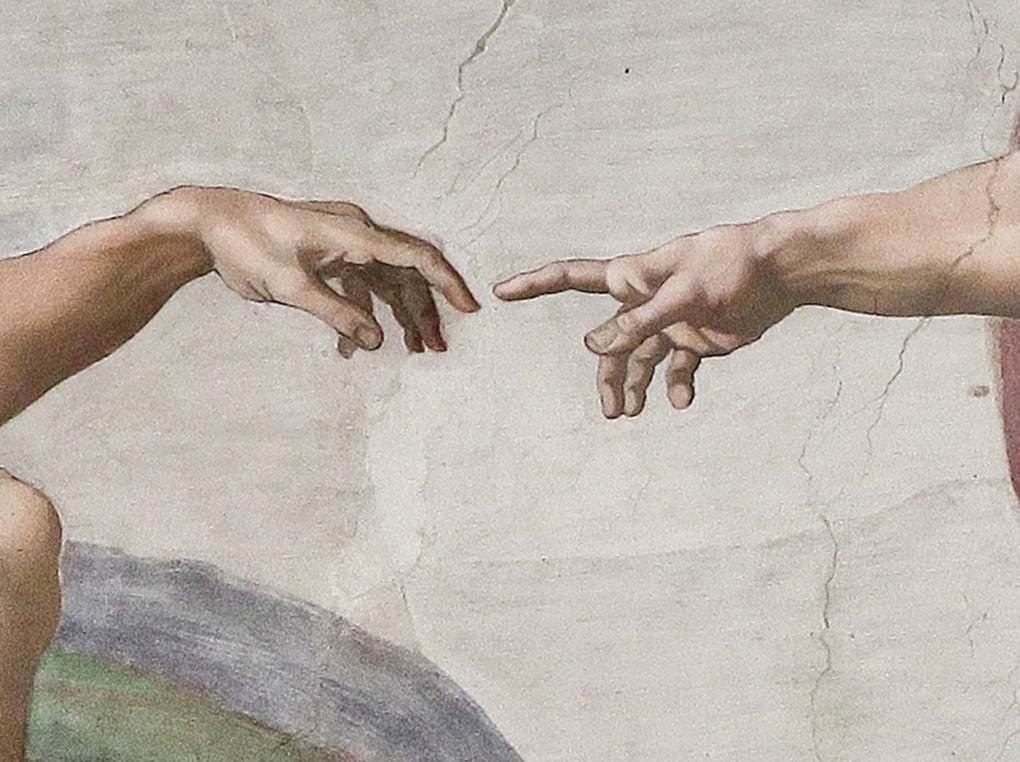
Creation of Adam by Michelangelo


Courageous Women

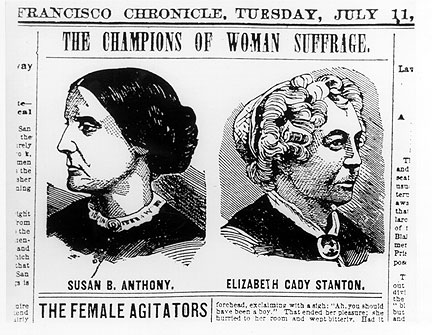
“The best protection any woman can have…is courage.” – Elizabeth Cady Stanton

In discussing the laws of going to war, parshat Shoftim provides a model for coping with fears and anxieties as well as insight into what courage and commitment look like in serving one’s nation.

When the people approach a battlefield, the kohen is instructed to address them. His speech encourages the people to overcome their fear and to rely on their belief in Hashem as a source of strength. True courage is when one takes action despite one’s fears. In a voluntary war, the Torah lists several groups of exemptions due to circumstance. Surprisingly — given the kohen’s previous exhortations to overcome fear — the list of exempted people culminates with a person who is “afraid and disheartened.” Rabbi Akiva understands this to be literal: the Torah recognizes that some may be unable to overcome their anxiety, and ensures that they are encouraged to leave so they do not spread panic.

However, in a biblically mandated war (milchemet mitzvah) such as a war of self-defense, everyone is required to participate, even those who are fearful. Necessity and duty outweigh fear. According to the Mishna, even women are included in a milchemet mitzvah. The Radbaz says this is only a suggestion, and states that women served in support roles but not in combat. This is the halakhic basis for women who choose to serve in non-combat units in the IDF.

Stepping up (and leaning in) takes courage. This week marked the 100th anniversary of women’s suffrage. The right to contribute to society — to vote, to pursue education, to choose to serve in the IDF — may seem natural for women today, but it took courage and vision. Drawing on the strength and courage of the women and men who fought to make the world better, there is much more we can do. Shabbat Shalom and Chodesh Tov