
Parshat Chukat seems to be a familiar narrative: Bnei Yisrael complain, Moshe and Aharon intervene and God punishes and forgives. However, it contains a new, unfortunate twist: This time Moshe sins and is punished. What went so wrong and what can we learn from Moshe’s experience?
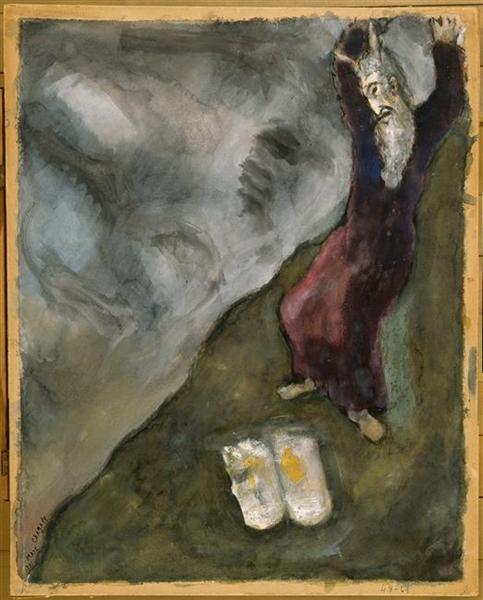
After Miriam’s death, the people quarrel with Moshe out of desperate thirst for water. God instructs Moshe to take his staff along with Aharon, gather the people and speak to the rock which would miraculously produce water. However, Moshe and Aharon lose patience and say, “Listen, you rebels…” Then Moshe strikes the rock instead of speaking to it. God says that because he didn’t have faith and sanctify God in public, Moshe is tragically punished: he will not enter the land of Israel. The exact sin is not specified in the Torah. It is clear that Moshe loses his temper with the people and loses control when hitting the rock. This is the view of Rambam, that Moshe’s sin was getting angry and also mistakenly conveying to the people that Hashem was angry with them. Rambam brings this episode (in Shemonah Perakim) to demonstrate that anger is a risky emotion and requires mindfulness and perfecting.
Rambam’s view on avoiding anger is also expressed in his halakhic writing about tefilla. The Talmud Berakhot teaches that one should have kavanah (intention) in prayer and it is inappropriate to pray from a place of excessive sorrow, laziness, laughter, chatter or frivolity. When Rambam codifies this to law he adds one more emotional state which will disrupt one’s ability to daven properly: anger. By waiting to begin tefillah until the angry feeling has subsided, one learns that anger needs to be regulated and should not be brought along as we approach God in tefilla.
Moshe provides a lesson: Anger is a natural emotion which can be constructive at times, but unchecked anger, especially in leaders, can have devastating consequences. Shabbat Shalom -Karen Miller Jackson
 Karen Miller Jackson