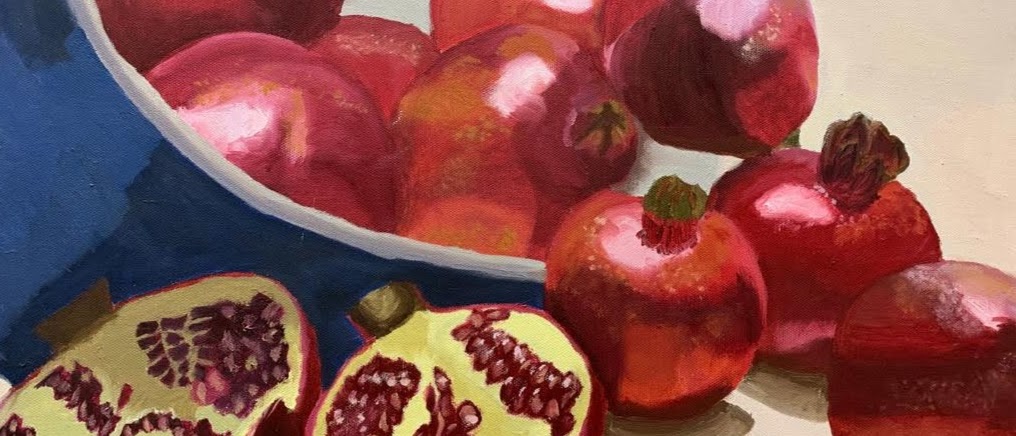
Parshat Ki Tavo opens with the mitzvah of bikkurim, the offering of first fruits. This ceremony, echoing previous biblical stories, carries a relevant message for our generation’s relationship with the land of Israel.
After settling the land, the people are commanded to bring their first fruits to the Beit Hamikdash and recite a declaration recounting their journey from Egypt to Israel. On an individual level, Rashi explains that bringing bikkurim demonstrated that a person was not “kafui tova,” ungrateful to God. This recalls the story of Kayin, who also brought “fruit of the soil” but is depicted in midrash as offering a sub-standard gift to God and fighting with his brother about what belonged to him. In contrast, offering the first and most precious fruits to God teaches us to express gratitude and appreciate the land and its blessings.
The same is true on a national level. Rashi teaches that the mitzvah of bikkurim applied only after Bnei Yisrael, the nation, had inherited the land. This underscores the communal dimension of bikkurim. This is further reinforced by the parallels between bikkurim and the story of the spies. Both involve the fruit of Israel and reflect how we speak about the land. Rabbi Elchanan Samet explains that the spies brought back supersized fruit not to amaze the people, but to dissuade and demotivate them. Bikkurim serve as a tikkun (rectification) for the meraglim. While the spies spread negativity about the land, bikkurim is a way of speaking positively and expressing gratitude for the land’s bounty.
The bikkurim ceremony took place only while the Temple stood. Yet, the declaration is preserved and read out each year at the Pesach seder. The enduring message of this declaration reminds us of the responsibility we bear in how we speak, both individually and as a nation, about the land of Israel today. Shabbat Shalom -Karen Miller Jackson
 Karen Miller Jackson