How is parshat Shelach a model for talking about Israel’s imperfections alongside positive Zionism in our world today?
As the book of Bamidbar continues to describe Bnei Yisrael’s downward spiral of discontent in the desert, the spies are sent to scout out the land of Israel. Two words in this narrative highlight the depths of the spies’ mistake. Ten of the spies speak “dibbah,” or “libel” about the land of Israel. This negativity spreads among the nation, leading to punishment: that generation would die out in the desert. Rashi comments that “dibbah” refers to being an “influencer.” The spies influenced others to be negative as well. Moreover, the Ramban comments that the spies’ use of the word “efes” was their downfall, as it shut down the possibility of dialogue and conveyed that entering the land was impossible. Both words are indicative of language which shuts down constructive communication and spreads discontent.
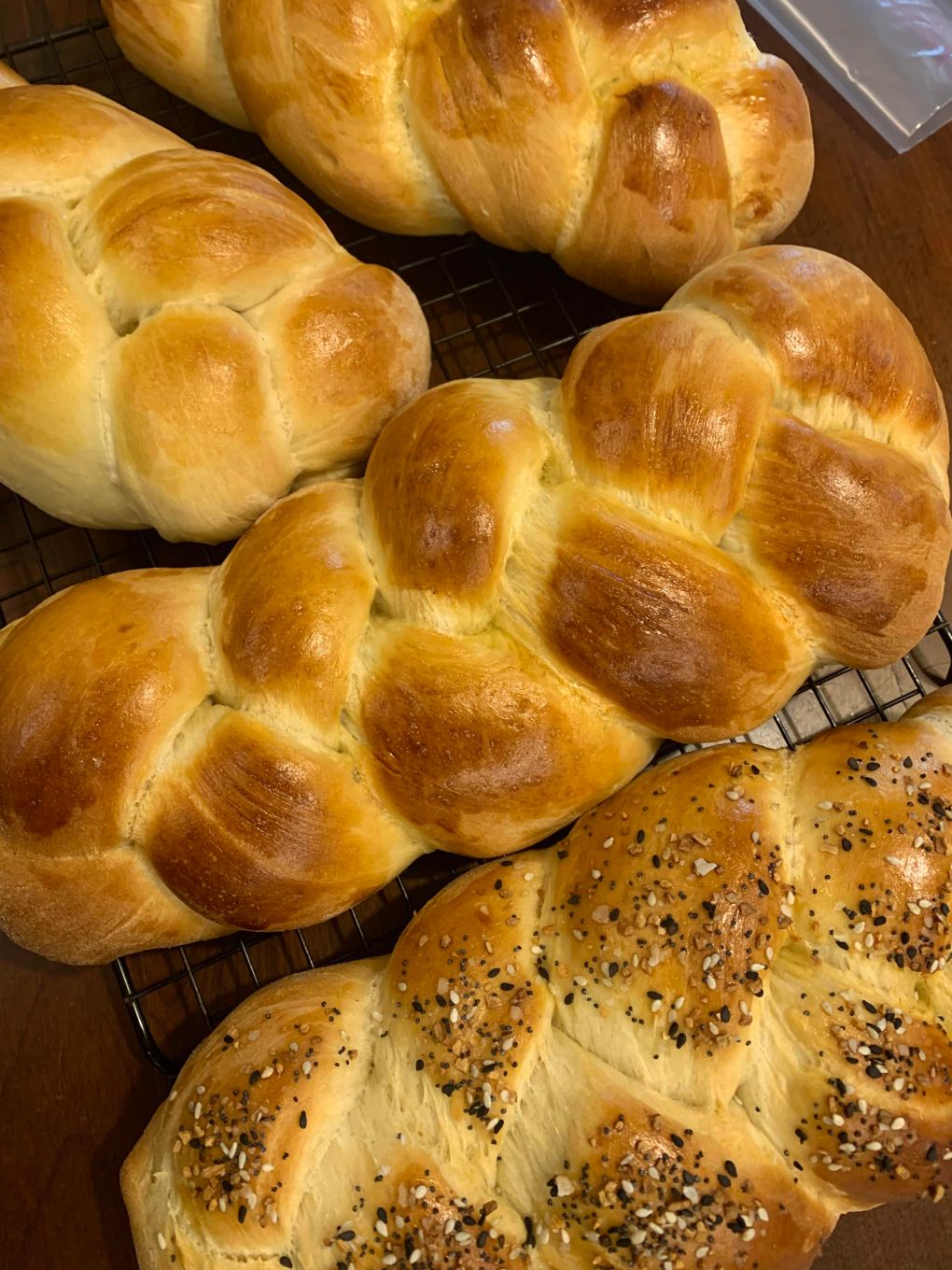
Yet, the parsha also contains seeds of optimism through the mitzvah of challah, the separating of the dough. This commandment originally only applied to Jews living in the land of Israel. However, Rambam teaches, based on rabbinic decree, that the mitzvah of challah should be observed by Jews anywhere in the world, so that it is not forgotten. Rashi, citing midrash Sifre, notes the Torah’s unique and urgent language used regarding mitzvat challah: “בְּבֹאֲכֶם” – “As you enter.” It applies even before settling the land. Perhaps this highlights how easy it is to take the land of Israel for granted. Fulfillment of challah is an expression of appreciation and optimism about Israel throughout Jewish history, whether one lives in Israel or the diaspora.
The parsha’s language teaches that the mitzvah of challah provides an opportunity to make a tikun (correction) for the communication failures of the spies and to express our appreciation of and hopes for Israel. Shabbat Shalom -Karen Miller Jackson
 Karen Miller Jackson