Parshat Mishpatim: Between Cruelty and Compassion

Children – dependent, vulnerable, defenseless – are the litmus test of our humanity. -Rabbi Lord Jonathan Sacks 

Parshat Mishpatim teaches what real compassion looks like. It highlights that cruelty, especially toward children, is a mark of unfathomable evil, whereas prioritizing and educating children in moral values is the greatest statement of hope for the future. 

The Torah commands us not to oppress the ger, the widow, or the orphan—the most vulnerable members of the biblical world: “If you mistreat them, as soon as they cry out to Me, I will hear their outcry.” The double language—aneh ta’aneh, tza’ok yitzak, shamoa eshma—underscores that just as the victim feels their pain deeply, God hears and responds with urgency.

Rabbi Sacks looked to the Shoah to contrast unimaginable evil with extraordinary humanity toward children. Janusz Korczak, a Polish-Jewish doctor and educator, exemplified moral courage and compassion when he refused to abandon the orphans in his care, even as they were sent to their deaths.

In Judaism, cruelty toward children is especially heinous because they embody our hope and future. Talmud Sotah teaches that after Israel crossed the Yam Suf, the infants were among the first to sing to God, recognizing His miracles. To the sages, children symbolize pure faith, goodness, and unshakable hope. That is why when we remember the redemption from Egypt, they are at the heart of our collective memory and moral responsibility.

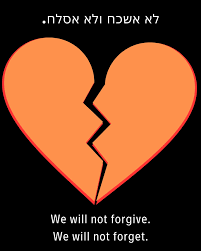
Ariel and Kfir Bibas symbolize the stark contrast between their society and ours: theirs is steeped in cruelty, while we are rooted in compassion, faith, and hope. May we honor all the children we have lost by securing and shaping a country and future worthy of the next generation. Shabbat Shalom -Karen Miller Jackson 

Mishpatim: Truth AND Compassion

Parshat Mishpatim contains laws which contribute to building a moral and compassionate society. Two mitzvot stand out as deserving special consideration within the framework of our contemporary world.

First, “keep far away from falsehood” (Shemot 23:7) – the language implies more than a command to be truthful, one should actively distance oneself from falsehood. The midrash Mekhilta contains a debate about whether this applies only to judges or to everyone. Elsewhere, the Torah clearly commands everyone not to lie. Here, we learn a key principle of Torah is that judges – societal leaders – should strive for truth and justice. Today, perhaps more than ever, lies and fake news are easier to access through social media. World leaders too have embraced lies and made it more acceptable to spread falsehood. In this context, “keep away…” has new resonance.

Second, “Do not oppress the stranger as we were once strangers in the land of Egypt.” (Shemot 23:9) This is one of numerous mitzvot in the parsha about protecting the vulnerable in society. Why does the Torah recall our time in Egypt? The Minchat Chinuch explains that reminding us of the anxiety and suffering our ancestors felt as strangers in Egypt “will move us to compassion for every person in a similar situation.” Drawing on our past experience in caring for the weak and vulnerable is also a core value in Torah.

 
What happens when one of these is praised and the other neglected? Sadly, we are seeing this in today’s “post-truth” world, where altruism is at times held above the truth. Courts, journalists and institutions which should be the embodiment of fairness and truth-seeking have lost objectivity. Perpetrators of evil have won over people’s sympathy. Rabbi Sacks presciently called this trend “altruistic evil,” when injustice and hatred spread under the flag of human rights. Parshat Mishpatim is a call to re-align the values of altruism and truth and to practice compassion when it is truly warranted. Shabbat Shalom and chodesh tov -Karen Miller Jackson


Parshat Ki Tetze: Practicing Compassion

Parshat Ki Tetze contains many mitzvot. One in particular relates to a central theme during Elul and Rosh Hashanah: fostering and praying for mercy and compassion.

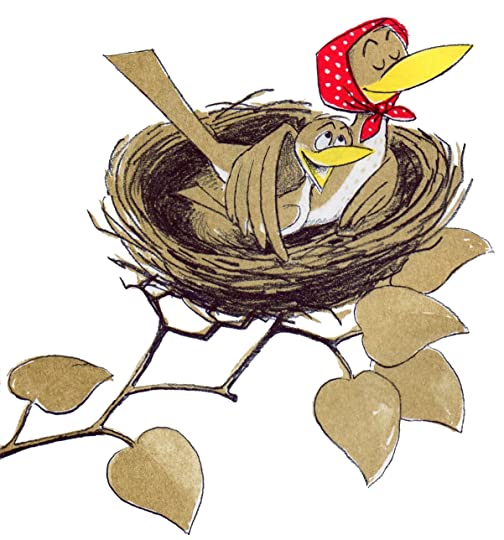
What is the purpose of the mitzvah of “shiluach ha-ken,” to send away the mother bird before taking her young or her eggs? The mishna Berachot teaches that one may not add to tefilla the statement: Be merciful with us as “Your mercy is extended to a bird’s nest.” One explanation in the gemara of this ambiguous statement is that it is best not to attach reasons to mitzvot. Still, many biblical commentaries see a deep connection between shiluach ha-ken and the trait of compassion.

Rambam, in Guide to the Perplexed, explains that if the Torah warns against causing such grief to birds, how much more careful should we be not to cause grief to people. The Ha’amek Davar highlights the bravery of the mother bird, who’s intuition is to stay and protect her children – an image of compassion par excellence. The word “rachamim” (mercy) is also related to the word “rechem” (womb), symbolic of the compassion a mother feels toward her child. Perhaps for this reason mothers – Sarah, Hagar, Hannah – feature prominently in Rosh Hashanah liturgy, when we pray fervently for God’s compassion.

The shofar which is blown throughout Elul, in the run up to Rosh Hashana, is also associated with rachamim. According to the midrash, God called Moshe to go back up Mount Sinai a second time on Rosh Chodesh Elul. The shofar was blown then to awaken the people to repentance and in prayer for God’s mercy and forgiveness.

By emulating the compassion God has for us in this world – be it toward others or with ourselves – we merit the words of the Talmud, “anyone who has compassion for God’s creatures will receive compassion from Heaven.” Shabbat Shalom -Karen Miller Jackson

*Photo excerpt from “Are You My Mother?” by P.D. Eastman