
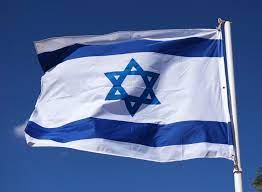
Parshat Bamidbar begins with Bnei Yisrael’s encampments, organized by tribe, each with their own flag. Encampments?! Flags?! Today, these have contributed to polarization, hate and moral distortion in society. How did the biblical encampments differ from what we are currently experiencing?
First, the Torah highlights that Bnei Yisrael should camp each according to his “standard” (diglo), under the “signs” (otot) of their ancestral house. Why this emphasis on tribal identity within the nation? Rashi comments that these unique flags highlight the diversity of the tribes, each one having unique character and potential strengths. The midrash Tanhuma teaches that this layout emphasized the potential for some tribes to influence others. Korah from Kehat was next to Reuven, who they pulled into their attempt to sow discord. The midrash calls this: “woe to the wicked person and woe to his neighbor.” Conversely, Levi, containing Moshe and Aharon, was next to three tribes who became “great in Torah” — “fortunate is the righteous person and fortunate is his neighbor.” Meaning, we are influenced by those we choose to be surrounded by.
The second theme relates to the trait of humility. The journey through the midbar is significant. The desert, says Bamidbar Rabbah, is ownerless space. Hence, the Torah was given in the desert to teach that one needs to humble him/herself to accept it, and it is free and open for all to take part. Shemot Rabbah says the “midbar” is related to “dibbur” (speech). The desert ideally could have been a place for good communication – which requires some humility, the ability to listen and to use speech positively and constructively.
Instead of flags and encampments which promote hate and discrimination, Bamidbar presents us with an ideal – a proud nation whose flags balance unity with diversity, and which encourages constructive communication and seeking positive influences. Shabbat Shalom🇮🇱 -Karen Miller Jackson
 Karen Miller Jackson