Vayikra: The Heart follows the Giving

Parshat Vayikra teaches the laws of various korbanot. The concept of sacrifices may seem archaic and irrelevant to our lives today. However, the commentaries find deep meaning in the Torah’s description of these offerings. 

The first of the korbanot, the olah (elevation), is introduced as follows: “If a man (adam) from among you offers a sacrifice…” It is less common for the Torah to use the word “adam” for man, instead of “ish.” Rashi based on the midrash teaches that this refers to the first man of creation – Adam, who was the first to bring a sacrifice to God (in the midrash). Just as Adam did not give a gift to God from stolen property, we too must not make an offering based on theft. Adam’s offering was whole-hearted. The act of giving brought him closer to God and elevated his own life. Perhaps this is also an optimistic assessment of the spiritual potential of his descendents. 

A similar idea is expressed about the sin-offering in the Sefer Hachinuch. The korban chatat is brought when a person sins inadvertently. Even when the sin is unintentional, words of regret are not enough to compensate. The act of bringing an offering fulfills the Chinuch’s famous concept of “the heart follows after the actions.” In sinning we move away from God, by giving we move closer. And, the act of giving has a deep imprint on our character. In more modern terms, Gary Chapman has shown that there are five types of love languages in couple relationships. One of the ways some people express love and draw closer is through the giving and receiving of gifts. 

This principle is also at the heart of Purim. Rambam writes that one should spend more money on gifts to the poor than on other Purim mitzvot, since “no joy is greater than the joy of gladdening the hearts of the poor…” Our hearts may be heavier than usual this Purim. May our hearts follow after the act of giving and find some light and joy. Shabbat Shalom and Purim sameach -Karen Miller Jackson

Parshat Ki Tavo: Service

“Those who have seemed to me to be the most happy, contented and fulfilled have always been the people who have lived the most outgoing and unselfish lives.” – Queen Elizabeth II

Parshat Ki Tavo opens with the mitzvah of “bikkurim.” The people are commanded, after they settle Israel, to bring their first fruits to the Beit Hamikdash and recite a declaration about their journey from Egypt to Israel. What was the purpose of this mitzvah? And how can we preserve its message in our lives today? 

Rashi explains that bikkurim demonstrated that a person was not “kafui tova,” ungrateful to God. Taking the first, often most precious fruits, and offering them to God, is an expression of gratitude for such bounty. Rambam writes that bikkurim are a reminder to remain humble about our success, and to remember that God is the ultimate source of such blessings. Hence, the verbal recalling of our origins as slaves in Egypt, instilling us with humility, appreciation and generosity.

The language of “bringing the fruit of the soil” recalls the story of Kayin in Bereshit. The midrash depicts Kayin as ungenerous and entitled, the opposite of bikkurim. He brought a sub-standard offering to God and fought with his brother about what belonged to him.

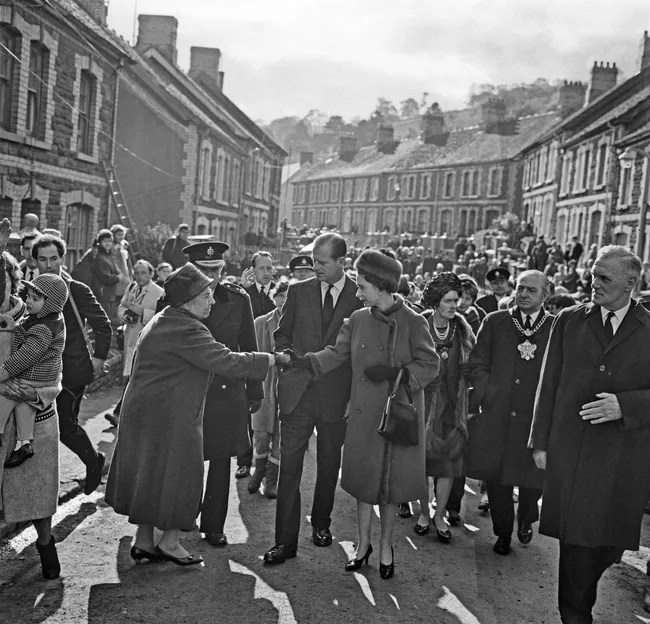
Martin Buber pointed out that the root נתן, to give, appears 7 times in parshat bikkurim. Recurrences of 7 in Torah are always significant. By remembering God’s generosity and “giving back” to God, one becomes more generous. Dr. Tal Ben Shachar points out that the root n.t.n is a palindrome: the more we give, the more we receive, leading to increased happiness. Perhaps this is why this section ends with rejoicing while sharing our fruits with the less fortunate. Queen Elizabeth modeled this value to the world by devoting most of her life – over seventy years – to the service of her country. May we all find ways to be generous, to serve our country and society and to express gratitude, bringing more happiness to our lives. Shabbat Shalom -Karen Miller Jackson

Photo: Queen visiting Aberfan Gallo IMages/Getty images (https://www.news24.com/you/royals/thequeen/queen-elizabeth-the-highs-and-lows-of-a-long-memorable-and-well-lived-life-20220908)