
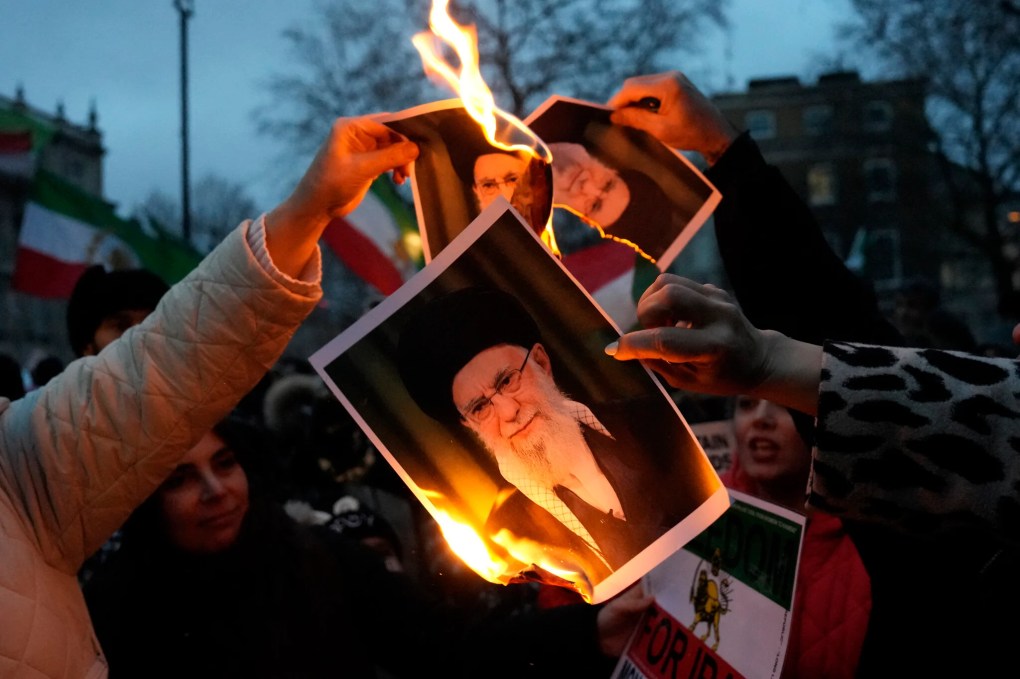
This week, many are wondering: what will be the fate of one of the world’s longest-reigning dictators? Will pressure from within and without finally bring about his downfall? And most troubling of all – how can he continue to act with such cruelty toward his own people? We find some perspective on these questions in Parshat Va’era, through the behavior of the Bible’s first despot, Pharaoh.
Moshe confronts Pharaoh and famously demands, in God’s name, “Let My people go.” Pharaoh refuses, again and again, before ultimately releasing the Israelites. Yet the story raises a theological question. Before Moshe’s second encounter with Pharaoh, God declares explicitly: “I will harden Pharaoh’s heart.” At what point, then, does Pharaoh lose his free will? And why does God prolong his punishment?
The midrash teaches that Pharaoh retained free will during the first five plagues. He was given repeated opportunities to repent, yet remained intransigent. Only after these refusals does the Torah state that God hardened his heart, denying Pharaoh the possibility of teshuva. The Sages point to a subtle shift in language: during the first plagues – “Pharaoh’s heart stiffened”; after that – “God hardened Pharaoh’s heart.”
Rambam, in Hilchot Teshuva, explains that Pharaoh did not lose free will lightly. He forfeited it through his own actions. Pharaoh’s sins – the abuse and enslavement of an entire people – were so serious that God removed his capacity to change. The loss of free will was not the cause of his wickedness, but its consequence.
Pharaoh is not a puppet controlled by God, but a tyrant trapped by his own choices. As Rabbi Sacks writes: “In the end, tyrants bring about their own destruction, whereas those with willpower, courage, and the willingness to go against the consensus acquire a monumental freedom.” So may it be – soon. Shabbat Shalom -Karen Miller Jackson
 Karen Miller Jackson