Parshat Chayei Sarah: Finding our “Wells”

Parshat Chayei Sarah opens with the passing of Sarah. This loss, following the akedah, must have left Yitzchak feeling drained and broken. Perhaps this helps explain his passivity in finding a wife. The question, then, is how Yitzchak found the strength to rebuild and move forward.

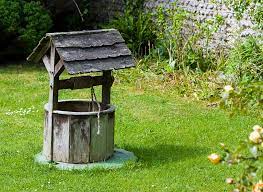
Significantly, many key moments in Yitzchak’s life unfold at a be’er — a well. In the first scene, Yitzchak is absent, but his proxy Eliezer travels to Aram Naharayim in search of a wife for him. Eliezer stops at the be’er ha-mayim, where the women draw water, and there he prays for divine guidance and encounters Rivka. The midrash notes that wells are meeting places of biblical couples, symbolizing new beginnings, healing, and hope.

Later, when Rivka journeys to Abraham’s home, she meets Yitzchak as he is coming from Be’er Lachai Ro’i — the place where Hagar, after being banished, prayed to God and found sustenance. The midrash teaches that Yitzchak was there to bring back Hagar (aka Keturah) to Abraham after Sarah’s death. Once again, the well represents restoration and renewal.

Wells appear again when Yitzchak re-digs the wells of Abraham that had been stopped up by the Philistines. The Sefat Emet interprets these wells as symbols of spiritual life — channels of divine blessing that the avot brought into the world. In reopening them, Yitzchak becomes a model of spiritual resilience, drawing strength from his parents’ legacy and renewing it for future generations.

Israel is thankfully emerging from a time of loss, exhaustion, and uncertainty. It is time for us, too, to uncover our own “wells” — sources of faith, strength, and hope — to find renewal, healing, and resilience once more. Shabbat Shalom -Karen Miller Jackson

Parshat Va’era and Yuval Raphael

What common message emerges from Yuval Raphael’s story and the Exodus?

Parshat Va’era begins with the declaration: “I am God…and I will remember My covenant with My people.” This is followed by the ten plagues,  transforming Bnei Yisrael’s circumstances and revealing the hand of God to them and Pharaoh. Before this, the Israelites endured slavery and suffering in Egypt, for which the Torah provides no explicit reason. Commentators offer differing perspectives on this.

During the “covenant between the pieces” in Bereshit, God tells Avraham about the future enslavement and redemption of his descendants. Nechama Leibowitz notes that while their descent to Egypt was certain, the children of Jacob had a choice about how they would live when in Egypt. They chose to settle deeply there, as reflected in the term “va-ye’ahazu bah” (they procured property). Therefore, some interpreters suggest their suffering was a consequence of neglecting their traditions and destiny.

Others view the experience not as punitive but instead as a source of educational and developmental lessons. The Torah frequently commands empathy for the stranger, rooted in our memory of being strangers in Egypt. Leon Kass writes that this internalization of the experience of suffering is transformed into a core value of our national identity—compassion for the vulnerable. The Ha’amek Davar views the Egyptian experience as refining and strengthening the national character of Israel, building our resilience for future challenges.

Yuval Raphael, a Nova survivor, endured unimaginable trauma. Yet, like so many Jews in history, she found hope and strength, transforming tragedy into a source of purpose. This resilience reflects the enduring Jewish ability to turn suffering, from Egypt through today, into growth and hope. Shabbat Shalom -Karen Miller Jackson

  • photo from Jerusalem Post

Chayei Sarah: What is your Be’er?

Parshat Chayei Sarah begins with the passing of Sarah. This tragedy, following the akedah, must have left Yitzchak feeling drained and broken. Perhaps this explains Yitzchak’s passivity in finding his match. How then did Yitzchak find strength and resilience?

Numerous significant events in Yitzchak’s life take place by a be’er – a well. In the first scene, Yitzchak is not present but his proxy Eliezer has come to Aram Nahariyim to find Yitzchak a wife. Eliezer stops at the “be’er ha-mayim,” where the women draw water and where Eliezer prays to God for guidance and finds Rivka. The midrash points out that the well is the meeting place of various biblical couples, representing potential for new life and hopefulness. 

Next, when Rivka travels to Abraham’s home she encounters Yitzchak who had just returned from a place called “Be’er Le-chai Ro’i.” This is also where previously Hagar goes with Ishmael when they were banished and where Hagar prays to God for protection. Noting this, the midrash teaches that Yitzchak was there to bring back Hagar (aka Ketura) to Abraham after Sarah’s death. Here too, the well represents matchmaking and renewal, healing and resilience.

Wells appear again later, when Yitzchak re-digs the wells of Abraham which had been stopped up by the Philistines. The Sefat Emet interprets these wells as representing spiritual sustenance which the avot brought to the world. So Yitzchak, having renewed himself then had the ability to provide inspiration for others. 

Be’er is referred to by Song of Songs as a “well of living waters.” Yitzchak renewed his life and spiritual strength at the be’er, providing a model for us to find our our own metaphoric “wells” —  sources of renewed energy and strength, so we can grow in kedusha and chesed. Shabbat Shalom