Parshat Nitzavim: The Call of Jewish Peoplehood

We usually think of teshuva (repentance or return) as applying to individuals. Yet Parshat Nitzavim teaches us about another layer—one especially resonant at this moment in Jewish history—national teshuva.

The Ramban derives the mitzvah of teshuva from our parsha, traditionally read on the Shabbat before Rosh Hashana. The Hebrew root sh.u.v is repeated seven times in this section, characterizing teshuva as an ongoing process. It encompasses both the individual aspect: “You will return to your God…” and the collective dimension: “God will return and gather you from all the nations…” What, then, does national teshuva look like?

Rav Kook teaches that the Jewish people’s return to the Land of Israel is the foundation of the greatest teshuva. Rabbi Jonathan Sacks, building on the Ramban, described teshuva as a “double homecoming”—physically to the land and spiritually to God. Perhaps, too, there is a dimension of spiritual return to the Jewish people themselves: a reawakening of responsibility, solidarity, and shared destiny. As Rabbi Sacks asked, can we hear “the divine call (‘Where are you?’) within the events that happen to us, whether individually as personal fate or collectively as Jewish history”?

The prophet Hosea offers further insight into national teshuva when he calls on Israel to return to God. The core of teshuva is through words: “Take words with you and return to God… Instead of bulls, we will pay [with offering of] our lips.”(14:3) National teshuva is achieved through words of prayer and in using language that fosters healing and repair. 

Especially now, amid today’s challenges and uncertainties, the call to teshuva resounds on both the individual and national level. How can each of us respond—through prayer, action, and words—in a way which strengthens Israel, the Jewish people, and the wider world? Shabbat Shalom & Shana Tova🇮🇱🍎🍯-Karen Miller Jackson

Parshat Ki Tavo: Today

“Never leave that till tomorrow which you can do today.” — Benjamin Franklin

Parshat Ki Tavo, in its list of blessings and curses, repeatedly emphasizes the word ha-yom (“today” or “this day”). Why such stress on the present moment?

Rashi, commenting on the verse “The Lord your God commands you this day to observe these laws…”, explains that mitzvot should feel new each day, as though we are receiving them afresh at Sinai. The Chafetz Chaim offers another perspective: ha-yom, the emphasis on today, reminds us not to take our days for granted. Additionally, he teaches that real growth comes not through lofty, overwhelming long-term goals, but through small, achievable steps we commit to today.

This theme of ha-yom also runs through the Rosh Hashana liturgy: “Today is the birthday of the world… today all creatures stand in judgment.” The Netivot Shalom links this emphasis on ha-yom to hitchadshut (renewal)– teaching that Rosh Hashana, the day of creation according to Rabbi Eliezer, carries unique potential for new beginnings in our relationship with God and with one another. Similarly, in the haftarah of Rosh Hashana, ha-yom marks the day Hannah’s prayers for a child were finally answered—a reminder that each new day holds the possibility of hope and change.

This week, in Israel and in the U.S., we have seen too many precious lives cut short through terrorism and hatred. Ha-yom—so central in our parsha and on the day of judgment—calls us to treasure what we have, to believe in the power of prayer for what we yearn for, and to begin today the work of building a safer, kinder, and more humane world. Shabbat Shalom -Karen Miller Jackson


Parshat Nitzavim-Vayelech: National Repair and Return

We usually think about teshuva (repentance or return) as applying to individuals. Parshat Nitzavim-Vayelech teaches about an additional layer of teshuva, one which is perhaps more relevant at this time in Jewish history – national teshuva.  

The Ramban derives the mitzvah of teshuva from our parsha, traditionally read on the Shabbat before Rosh Hashana. The Hebrew root sh.u.v is repeated seven times in this section, characterizing teshuva as an ongoing process. It encompasses both the individual aspect: “You will return to your God…” and the national dimension: “God will return and gather you from all the nations…” What does national teshuva look like? Rav Kook teaches that the return of the Jewish people to the land of Israel is the foundation of the greatest teshuva. Rabbi Jonathan Sacks, based on the Ramban, wrote about the dual nature of teshuva as a “double homecoming” – physically to Israel and spiritually to God. Perhaps there can be a notion of spiritual return to the Jewish people as well. Can we hear, in the words of Rabbi Sacks, “the divine call (‘Where are you?’) within the events that happen to us, whether individually as personal fate or collectively as Jewish history.” 

The prophet Hosea offers further insight into national teshuva when he calls on the people of Israel to return to God. The core of teshuva is through words: “Take words with you and return to God… Instead of bulls, we will pay [with offering of] our lips.”(14:3) National teshuva is achieved through words of prayer and in using language that fosters healing and repair. 

Especially this year, how can we respond to the call to national return in light of the parsha and Hosea’s message? How can each of us contribute to the strengthening and healing of Israel and the Jewish people? Shabbat Shalom & Shana Tova -Karen Miller Jackson 


Parshat Ki Tetze: Practicing Compassion

Parshat Ki Tetze contains many mitzvot. One in particular relates to a central theme during Elul and Rosh Hashanah: fostering and praying for mercy and compassion.

What is the purpose of the mitzvah of “shiluach ha-ken,” to send away the mother bird before taking her young or her eggs? The mishna Berachot teaches that one may not add to tefilla the statement: Be merciful with us as “Your mercy is extended to a bird’s nest.” One explanation in the gemara of this ambiguous statement is that it is best not to attach reasons to mitzvot. Still, many biblical commentaries see a deep connection between shiluach ha-ken and the trait of compassion.

Rambam, in Guide to the Perplexed, explains that if the Torah warns against causing such grief to birds, how much more careful should we be not to cause grief to people. The Ha’amek Davar highlights the bravery of the mother bird, who’s intuition is to stay and protect her children – an image of compassion par excellence. The word “rachamim” (mercy) is also related to the word “rechem” (womb), symbolic of the compassion a mother feels toward her child. Perhaps for this reason mothers – Sarah, Hagar, Hannah – feature prominently in Rosh Hashanah liturgy, when we pray fervently for God’s compassion.

The shofar which is blown throughout Elul, in the run up to Rosh Hashana, is also associated with rachamim. According to the midrash, God called Moshe to go back up Mount Sinai a second time on Rosh Chodesh Elul. The shofar was blown then to awaken the people to repentance and in prayer for God’s mercy and forgiveness.

By emulating the compassion God has for us in this world – be it toward others or with ourselves – we merit the words of the Talmud, “anyone who has compassion for God’s creatures will receive compassion from Heaven.” Shabbat Shalom -Karen Miller Jackson

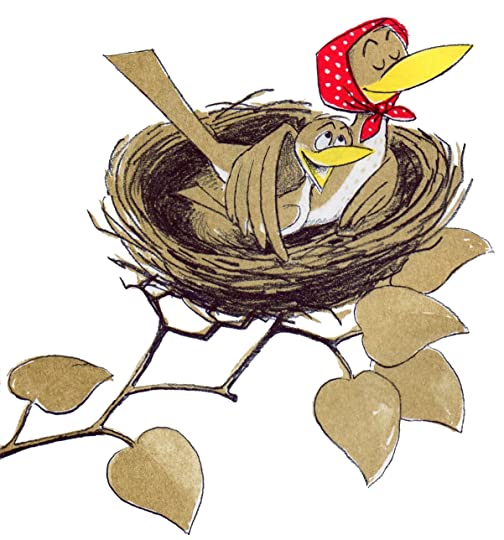
*Photo excerpt from “Are You My Mother?” by P.D. Eastman