
Beha’alotcha: The Power and Pitfalls of Speech

Our world has been increasingly dominated by negative speech. Online communication has fueled the inability to engage in dialogue with people who think differently, alongside societal trends of “cancel culture” and “post-truth.” At the same time, the Torah teaches that speech is a gift given only to human beings, as seen in Targum Onkelos, who calls Adam in Bereshit “a speaking spirit.” Parshat Beha’alotcha highlights the power of speech to influence others, for both good and bad.

The parsha begins on a hopeful note. The pinnacle of Bnei Yisrael’s preparation to enter the land is expressed in the words we recite on Shabbat morning, “ויהי בנסוע הארון.” Immediately following this, is the story of the “mitonenim,” (bitter complainers) who spread unrest among the people by “complaining evil in the ears of Hashem.” To make this turning point even sharper, the previous verses are bracketed by two upside down letter “nuns.” Perhaps signaling that from this point on their lives would take a significant downturn.

The Ha’amek Davar teaches that the “mitonenim” start a downward spiral of faith for the generation in the desert. They had the greatest divine providence, yet, the provocateurs spread criticism which culminated with the spies who sowed negativity among the whole nation. Rashi comments that the words, “complaining evil in the ears of Hashem,” indicate that they were looking only for a pretext to provoke and stir up hatred, they had no valid criticisms. Hence, the strong punishment by God.

The potential power and pitfalls of speech is a theme which begins in our parsha and runs through sefer Bamidbar. In contrast, when Moshe recounts the travails of the Jewish people in the desert in the opening of Devarim, he models positive, constructive speech. Rashi teaches that Moshe changes the names of places to protect the dignity of Israel. How can we follow Moshe’s example in the way we communicate today? Shabbat Shalom -Karen Miller Jackson

Bamidbar: On Encampments and Flags

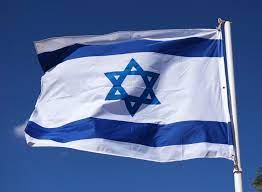
Parshat Bamidbar begins with Bnei Yisrael’s encampments, organized by tribe, each with their own flag. Encampments?! Flags?! Today, these have contributed to polarization, hate and moral distortion in society. How did the biblical encampments differ from what we are currently experiencing?

First, the Torah highlights that Bnei Yisrael should camp each according to his “standard” (diglo), under the “signs” (otot) of their ancestral house. Why this emphasis on tribal identity within the nation? Rashi comments that these unique flags highlight the diversity of the tribes, each one having unique character and potential strengths. The midrash Tanhuma teaches that this layout emphasized the potential for some tribes to influence others. Korah from Kehat was next to Reuven, who they pulled into their attempt to sow discord. The midrash calls this: “woe to the wicked person and woe to his neighbor.” Conversely, Levi, containing Moshe and Aharon, was next to three tribes who became “great in Torah” — “fortunate is the righteous person and fortunate is his neighbor.” Meaning, we are influenced by those we choose to be surrounded by.

The second theme relates to the trait of humility. The journey through the midbar is significant. The desert, says Bamidbar Rabbah, is ownerless space. Hence, the Torah was given in the desert to teach that one needs to humble him/herself to accept it, and it is free and open for all to take part. Shemot Rabbah says the “midbar” is related to “dibbur” (speech). The desert ideally could have been a place for good communication – which requires some humility, the ability to listen and to use speech positively and constructively.

Instead of flags and encampments which promote hate and discrimination, Bamidbar presents us with an ideal – a proud nation whose flags balance unity with diversity, and which encourages constructive communication and seeking positive influences. Shabbat Shalom🇮🇱 -Karen Miller Jackson


Parshat Matot-Masei: How Leaders Should Speak

What is the closing message of the book of Bamidbar for Jewish leaders?

Parshat Matot-Masei opens with an unusual topic – the laws of nedarim (vows). The commentaries question why Moshe seems to direct these laws only to “the tribal leaders of Israel.” Ramban comments that this section was in fact said only to the leaders, since the laws of vows required a particular expertise which only these Sages possessed. Rashi however, teaches that these laws were taught to all of Israel, but Moshe taught them to the leaders first, to honor them. Either way, the leaders are singled out as having a unique responsibility when it comes to vows. Vows highlight the power of speech and the significance of words – for the good and the bad – as it says, “[One who makes a vow] must carry out all that has come out of his mouth.”   

Perhaps these laws are placed at this point, as the second generation prepares to enter Israel, to remind the tribal leaders of their responsibility to inspire and lead the people into Israel. This is particularly appropriate as previously the tribal representatives used words to defame the land of Israel in the meraglim story, delaying entry to Israel. Hence, when Reuven and Gad request to settle the east bank of Jordan, they too are told by Moshe to fulfill what they promised “with their mouths,” solidifying their commitment.

Leaders have a responsibility to speak up, speak well, and be a positive influence. To speak up — as in the famous story of Kamtza and Bar Kamtza, where silence and passivity led to the destruction of the mikdash. To speak well — the Talmud (Nedarim!) teaches that Jerusalem was laid waste because the Sages did not say brachot over the Torah before learning. And, as we say each morning, “Please G-d, make the words of Your Torah pleasant in our mouths and in the mouths of all of Your people.” To positively influence — that is the lesson learned from the meraglim and highlighted by nedarim

Especially now, during the three weeks, may our leadership be reminded of their responsibility: to speak up for justice, to speak respectfully, and to be a positive influence on the Jewish people. Shabbat Shalom –Karen Miller Jackson