
Parshat Vayelech: Embracing Knesset Yisrael

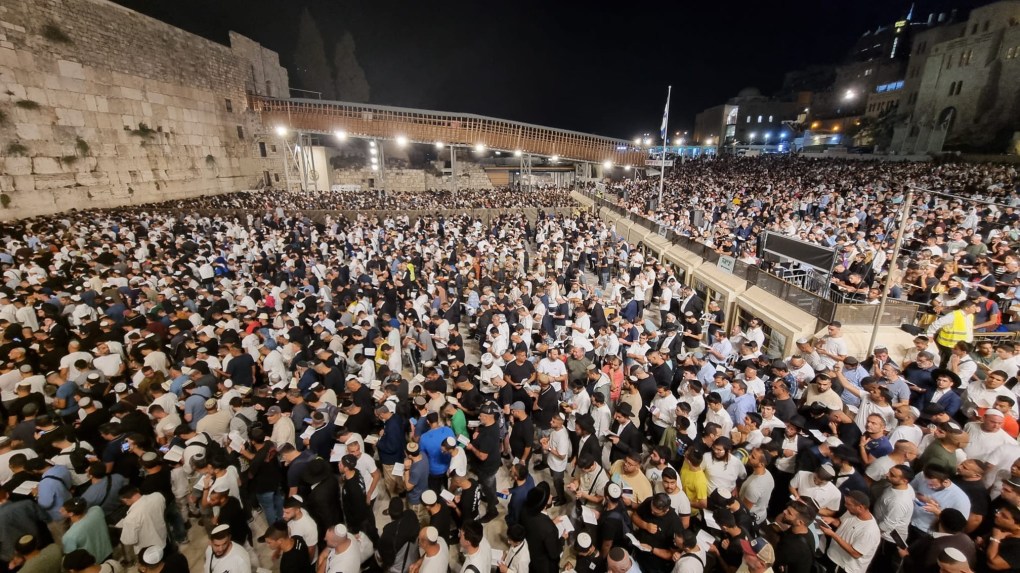
Parshat Vayelech presents the mitzvah of hakhel (assembly), when the entire Jewish people gathered during Sukkot at the end of the shemita year to hear the Torah read aloud. While this mitzvah could only be fully observed when the Mikdash stood, the commentaries emphasize that its essence carries enduring relevance.

The Torah commands that all participate in hakhel: men, women, and children. Rashi explains that men came to learn, women (who were then less educated) to hear, and young children to give “s’char” (reward) to their parents who brought them. Regardless of one’s level of knowledge, the Torah reading would touch the heart of each person in some way. Rambam explains that whether a person was exceptionally learned or couldn’t understand the words, everyone stood and listened together recalling the giving of Torah at Sinai. Hakhel was inclusive of all, no matter one’s level of understanding, knowledge and commitment. 

The Kli Yakar draws a parallel between hakhel and Yom Kippur: “The essence of hakhel is repentance.” Just as the Ten Days of Repentance focus on the individual, hakhel represents the collective dimension—a rare opportunity for communal teshuva, for the entire people to return together. Rav Soloveitchik similarly observes that Yom Kippur contains both dimensions: the shorter, personal vidui (confession) is followed by the longer, more powerful, communal one. Both are necessary, but the power of the collective confession lies in its voice as Knesset Yisrael—binding us not only to our present community but also to Jews across generations and to the entirety of Israel.

May we be blessed this year to experience the strength of hakhel and the embrace of Knesset Yisrael. May we find ways to deepen our unity and draw closer to the whole Jewish people. Shabbat Shalom and Gmar Chatima Tova – Karen Miller Jackson

Parshat Vayelech: Power of Communal Gathering

Parshat Vayelech contains the mitzvah of “hakhel” (assembly), when the Jewish people gathered together to hear portions of the Torah read out during Sukkot at the end of the shmita year. This mitzvah could only be fulfilled when the beit hamikdash stood, yet the commentaries highlight that the essence of hakhel is particularly relevant today.

The Torah emphasizes that all are required to participate in the mitzvah of hakhel: men, women and children. Rashi comments that men came to learn, women (who were then uneducated) to hear and young children to give “s’char” (reward) to their parents who brought them. No matter one’s level of education, the Torah reading would touch the hearts of each person in some way. Rambam explains that whether a person was exceptionally learned or couldn’t understand the words, everyone stood and listened together recalling the giving of Torah at Sinai. Hakhel was inclusive of all, no matter one’s level of understanding, knowledge and commitment. 

The Kli Yakar’s interpretation of hakhel adds a timely connection to Yom Kippur: “The whole essence of hakhel is about repentance.” While the ten days between Rosh Hashanah and Yom Kippur are about individual repentance, hakhel – the gathering of all – represents a rare opportunity and inspiration for communal teshuva. 

Rav Soloveitchik writes that actually there are elements of both individual and communal teshuva on Yom Kippur in the vidui (confession). The individual confession is shorter and a precursor to the more powerful and longer communal confession. Both are necessary but the tefila of “Knesset Yisrael” (gathering of Israel) binds us – with our own community, with Jews throughout history and with the whole of Israel. 

May we be blessed to feel the communal strength of “hakhel” and “Knesset Yisrael” this year. May we find ways to deepen our bonds and positive connection with the whole Jewish people. Shabbat Shalom and gmar chatima tova – Karen Miller Jackson