
Parshat Noah: A Window to the World

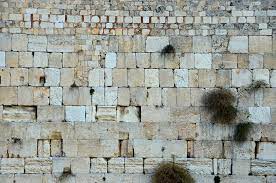
Why does God command Noah to build a “tzohar” (opening) on the ark? The tevah was meant to enclose and protect those inside so that they could survive the floods. What purpose would an opening serve? The interpretations of the “tzohar” also provide a model for how to view our homes and places of prayer today.

The word tzohar appears only once in Tanach, making it difficult to define. Rashi, citing Bereshit Rabbah, provides two explanations: 1) Some say it was a window, 2) others say it was a precious stone which provided light. Both interpretations explain how Noah and his family, who lived on the ark for an entire year, managed to have light and differentiate between day and night. Yet, there is a difference: The precious stone would not have allowed Noah to look out to the world, only to bring light inward. A window however, has a dual purpose – to let the light in and to look out and connect with the outside world. Perhaps this is why Hizkuni teaches that the tzohar was the window through which Noah later sends out the raven, to check if the waters had dried up, reconnecting with the outside.

Windows are also an important part of our prayer spaces and homes. The Talmud Berachot, based on Daniel, states that a person should only pray in a bayit with windows (and this is codified as halacha). Why? Some rishonim explain that the light, or looking to the heavens, will help enhance our kavanah in tefillah. Rav Kook provides a different reason: A person who has the most intention-filled prayers, but is disconnected from the outside world is not achieving the full purpose of tefillah. By davening in a room with a view of the outside, a person will be inspired to positively influence and do good in the world s/he inhabits. 

Like Noah’s tevah, our homes and shuls are a space to protect and nurture ourselves, to build up our emunah and enhance our tefilla, like the stone shining inward. Yet, by staying inside, our lives are incomplete. Through gazing outside we are reminded of our responsibility to the outside world. Shabbat Shalom – Karen Miller Jackson


Parshat Bereshit: Praying for the World

“Each and every blade of grass has a special song of its own.” – Naomi Shemer, based on Rebbe Nachman of Breslav

In the midst of the story of creation of the heavens and earth, before humankind was even created, parshat Bereshit provides seeds of wisdom on the fundamental value of tefillah for the world. 

In the retelling of creation in Bereshit chapter 2, just before Adam is created, the Torah states: “When no shrub of the field was yet on earth and no grasses of the field had yet sprouted, because God had not sent rain upon the earth AND there were no human beings to till the soil.” Why did God withhold the rain? And why are there two reasons given for why the grass had not grown? Rashi connects the two reasons: God withheld the rain because there were not yet human beings to be “makir tov” (to appreciate) the rain. When Adam felt the need for rain, for sustenance for the world, he prayed for rain which enabled the grass and trees to grow. 

Rashi’s commentary extracts from the creation story a number of significant elements about the nature of tefillah. Rashi characterizes Adam as praying not only for himself, but for the sake of the world. Moreover, tefillah instills within us the ability to be “makir tov,” to feel and express appreciation to God and others for the good we receive. Finally, the world was only fully created, the grass only sprouted, once Adam prayed. Rashi’s interpretation teaches that our sustenance and the subsistence of the world depends on our tefillot. 

Parshat Bereshit highlights that tefillah is integral for the world. It also enhances our ability to be “makir tov,” to express appreciation, which leads to further growth and goodness. Shabbat Shalom – Karen Miller Jackson


Simchat Torah: Celebrating Torah!

Beginnings and endings are significant. This is true in the Torah as well. On Simchat Torah we complete the Torah when we read parshat Vezot Habracha and then begin again with sections of Bereshit. Why celebrate the completion of the Torah reading cycle? And how does this correspond with Rashi’s commentary on the final verse of the Torah?  

King Solomon set a precedent for celebrating a “siyum,” completion of a book or the entire Torah. The midrash (Shir Hashirim Rabbah 1:9) teaches that King Solomon awoke from a dream having acquired great wisdom which he had requested, so he celebrated with great joy and thanksgiving. This early source for celebrating the completion of the Torah on Simchat Torah highlights the importance of acquiring Torah wisdom as well as personalizing, innovating and ultimately celebrating our relationship with Torah.

A similar message is found in Rashi’s interpretation of the final verse of Devarim: “And in all that strong hand and awesome power that Moses displayed before the eyes of all Israel.” Rashi, citing midrash Sifrei, associates “that strong hand” with Moshe receiving the tablets “in his hands.” And “before the eyes of Israel” with Moshe smashing the tablets “before their eyes.” Why end his commentary on this seemingly negative note, a reminder of a low point for Israel? In fact, the Talmud sees positivity in Moshe’s breaking the luchot: “asher shibarta” (which you broke) is interpreted as God saying “yashar koḥakha” (loosely: more power to you) that you broke them. Rashi’s final commentary emphasizes that Torah does not come to an end. A “Living Torah” provides the possibility to continuously receive the Torah alongside the need to sometimes break or innovate within Torah – which is affirmed by God.   

May Simchat Torah be filled with personal appreciation and communal celebration of Torah. I want to thank you all for joining me on another power parsha journey this past year and I look forward to continuing to deepen our appreciation of Torah together this upcoming year! Chag Sameach – Karen Miller Jackson
This week we begin a new Torah reading and “Power Parsha” cycle. Please encourage friends and family to join! (if you already receive it, no need to sign up). To subscribe to “Power Parsha” a short dvar Torah on the topic of parsha, mindfulness and tefilla via whatsapp click here: https://chat.whatsapp.com/CKLpCygJaBf20sKbNmRV1u or via email here: https://karenmillerjackson.com/


Parshat Ha’azinu and Sukkot: Rain Down on Me!

In his parting words in parshat Ha’azinu, Moshe urges Bnei Yisrael to appreciate God’s Torah through a poetic metaphor: “May my discourse come down as the rain (מטר), My speech distill as the dew, Like showers on young growth, Like droplets on the grass.” What is the symbolism of the Torah being likened to rainwater? 

The midrash Sifre interprets: “Just as rain is life for the world, so too, words of Torah.” This refers to matar, good rain, also known as “rains of bracha.” Rain, like Torah, connects the earthly and the heavenly, the physical and the spiritual. It comes down from the heavens and provides sustenance, life and growth on earth. Rashi adds another dimension to this idea in his interpretation of Bereshit. God did not bring down rain until there was someone to be “makir tov,” to appreciate and pray for rain. Rain reminds us to be cognizant of good things and to express appreciation for them. So too, Moshe wants the Jewish people to appreciate the Torah. 

Rainwater and hakarat ha-tov are central themes during Sukkot as well. While dwelling in a temporary sukkah, we are reminded to be cognizant of what we have. Also, the mishna (Rosh Hashanah) teaches: “On the chag (sukkot) we are judged regarding the water.” Our actions and prayers directly influence the amount of rain received each year. In Temple times there were water libations (ניסוך המים) on Sukkot in prayer that the world “be blessed with water.” Just after sukkot we begin saying the tefilla for matar and “rains of bracha.”

By taking time on Sukkot to recognize the goodness of rain, Torah and other things, we hope and pray that this year brachot rain down on us and the world. Shabbat Shalom and Chag Sameach! -Karen Miller Jackson


Parshat Nitzavim & Rosh Hashanah: On Renewal Opportunities

The word “hayom” (today) is repeated numerous times in parshat Nitzavim. On this final day of Moshe’s life, he gathers the people to renew the covenant with Bnei Yisrael: “You stand today, all of you, before God…” Hayom is also a significant word in Rosh Hashanah liturgy: “Today is the birthday of the world. Today all creatures of the world stand in judgment.” Why such emphasis on the word “today”?

Rashi explains the significance of the word “today” in Nitzavim: just as an individual day consists of a cycle of darkness and then light, so too, even if we as a nation endure dark times, God is ensuring that light and peaceful times will shine again. 

The Netivot Shalom provides another interpretation. He writes that Nitzavim and Rosh Hashanah both relate to the theme of renewal. In Nitzavim, the people are renewing a covenant with God. Rosh Hashanah – the day on which the world was created – is a day of “hitchadshut,” to renew ourselves and our relationship with God. This idea also connects to the daily Shema prayer, which frames each day as we say Shema in the morning and at bedtime. “And these words, which I command you this day, shall be upon your heart.” The midrash Sifrei comments on this verse: These words should not be like an antiquated edict but rather should be new to us each day. Today signals that each day is an opportunity for renewal and to find new meaning in Torah and mitzvot. 
The word “hayom” also appears in the haftorah on day one of Rosh Hashanah. After years of longing for a child, Hannah gets terribly upset and decides to take action, to pray. This significant change occurs “on that day (hayom).” A new day brought Hannah new hope and her prayers were answered. May this Rosh Hashanah be a time of meaningful renewal and may all our prayers be answered on this day. Shabbat Shalom and Shana Tova -Karen Miller Jackson


Parshat Ki Tavo: Service

“Those who have seemed to me to be the most happy, contented and fulfilled have always been the people who have lived the most outgoing and unselfish lives.” – Queen Elizabeth II

Parshat Ki Tavo opens with the mitzvah of “bikkurim.” The people are commanded, after they settle Israel, to bring their first fruits to the Beit Hamikdash and recite a declaration about their journey from Egypt to Israel. What was the purpose of this mitzvah? And how can we preserve its message in our lives today? 

Rashi explains that bikkurim demonstrated that a person was not “kafui tova,” ungrateful to God. Taking the first, often most precious fruits, and offering them to God, is an expression of gratitude for such bounty. Rambam writes that bikkurim are a reminder to remain humble about our success, and to remember that God is the ultimate source of such blessings. Hence, the verbal recalling of our origins as slaves in Egypt, instilling us with humility, appreciation and generosity.

The language of “bringing the fruit of the soil” recalls the story of Kayin in Bereshit. The midrash depicts Kayin as ungenerous and entitled, the opposite of bikkurim. He brought a sub-standard offering to God and fought with his brother about what belonged to him.

Martin Buber pointed out that the root נתן, to give, appears 7 times in parshat bikkurim. Recurrences of 7 in Torah are always significant. By remembering God’s generosity and “giving back” to God, one becomes more generous. Dr. Tal Ben Shachar points out that the root n.t.n is a palindrome: the more we give, the more we receive, leading to increased happiness. Perhaps this is why this section ends with rejoicing while sharing our fruits with the less fortunate. Queen Elizabeth modeled this value to the world by devoting most of her life – over seventy years – to the service of her country. May we all find ways to be generous, to serve our country and society and to express gratitude, bringing more happiness to our lives. Shabbat Shalom -Karen Miller Jackson
Photo: Queen visiting Aberfan Gallo IMages/Getty images (https://www.news24.com/you/royals/thequeen/queen-elizabeth-the-highs-and-lows-of-a-long-memorable-and-well-lived-life-20220908)


Parshat Ki Tetze: Practicing Compassion

Parshat Ki Tetze contains many mitzvot. One in particular relates to a central theme during Elul and Rosh Hashanah: fostering and praying for mercy and compassion.

What is the purpose of the mitzvah of “shiluach ha-ken,” to send away the mother bird before taking her young or her eggs? The mishna Berachot teaches that one may not add to tefilla the statement: Be merciful with us as “Your mercy is extended to a bird’s nest.” One explanation in the gemara of this ambiguous statement is that it is best not to attach reasons to mitzvot. Still, many biblical commentaries see a deep connection between shiluach ha-ken and the trait of compassion.

Rambam, in Guide to the Perplexed, explains that if the Torah warns against causing such grief to birds, how much more careful should we be not to cause grief to people. The Ha’amek Davar highlights the bravery of the mother bird, who’s intuition is to stay and protect her children – an image of compassion par excellence. The word “rachamim” (mercy) is also related to the word “rechem” (womb), symbolic of the compassion a mother feels toward her child. Perhaps for this reason mothers – Sarah, Hagar, Hannah – feature prominently in Rosh Hashanah liturgy, when we pray fervently for God’s compassion.

The shofar which is blown throughout Elul, in the run up to Rosh Hashana, is also associated with rachamim. According to the midrash, God called Moshe to go back up Mount Sinai a second time on Rosh Chodesh Elul. The shofar was blown then to awaken the people to repentance and in prayer for God’s mercy and forgiveness.

By emulating the compassion God has for us in this world – be it toward others or with ourselves – we merit the words of the Talmud, “anyone who has compassion for God’s creatures will receive compassion from Heaven.” Shabbat Shalom -Karen Miller Jackson

*Photo excerpt from “Are You My Mother?” by P.D. Eastman


Parshat Shoftim: Seeking Great Leaders

“Leaders do not do the work on behalf of the people. They teach people how to do the work themselves.” – Rabbi Lord Jonathan Sacks, zt”l

Parshat Shoftim is a call to just and moral leadership: Appoint judges; Don’t judge unfairly; Don’t take bribes nor be partial and famously, “Justice, justice you shall pursue.” Who exactly is being commanded to fulfill these crucial mitzvot?

At first, it seems these words are directed at judges. However, several commentaries suggest otherwise. These verses seem to be speaking not only to leaders, but also to individuals. The Sefer Hachinuch teaches that the biblical command to appoint judges (referring to a religious court – beit din) is “incumbent on every community, in every place.” The establishment of just and moral leadership comes about partly through the people who appoint them. This idea is further reinforced by the interpretation of “צדק צדק תרדוף” – “Justice, justice you shall pursue.” The midrash Sifrei teaches that this means you (the individual) must “seek out the finest beit din.” We, the people, can take steps to ensure true justice.

This verse is appropriately also applied to Rebbe Yehuda HaNasi, compiler of the Mishna and a model of wise, compassionate and just leadership. The Talmud in Ketubot teaches “pursue justice” means: run to Rebbe’s beit din in Beit Shearim. This appears in the story of Rebbe’s last will and testament, where he practices outstanding leadership even on his deathbed. He ensures the continued honor of his widow (who was only stepmother to his children) and the honor of his household servants. He set up continuity of leadership through his sons and values fear of sin in a leader over great wisdom. He balances honor to a Torah scholar who has died (himself) alongside humility. May we be blessed with the ability to choose similar moral, just and compassionate leaders in our time. Shabbat Shalom – Karen Miller Jackson

*Photo from https://www.europeanbusinessreview.com/effective-leadership-9-ways-to-support-your-team/


Parshat Re’eh: See and Be Seen

This week’s parsha (Re’eh) opens and closes with a keyword: To see. It begins with “Re’eh!” “See!” the choice you have before you to receive God’s blessings or curses. It ends with the mitzvah of “olat reiyah,” when the men would bring an offering and “see”/“be seen” by God in the mikdash. What is the relationship between seeing and being seen by God?

The olat reiyah was brought as part of the aliyah la-regel, the pilgrimage made on the three major festivals to the mikdash. While only men were obligated to bring an offering, women could participate in the pilgrimage and according to some sources, were even required in aliyah la-regel. The Talmud teaches that the prophet Jonah’s wife took on this mitzvah. This shows there was flexibility and potential inclusion for the women to take part in the mitzvot of aliyah la-regel. 

The language of the biblical source for the olat reiyah offering is ambiguous: “all your males shall be seen the face of God” (Devarim 16:16). Are they seeing or being seen? How can one see “pnei,” the face of God? The midrash Sifrei (re)interprets as follows: “If you do this, I will “free” (“poneh” which sounds like “pnei”) Myself of all My affairs and occupy Myself with you alone.” When we give of our time and possessions to see others and serve Hashem, God sees and blesses us. 

There are many people in our communities and society who have been feeling less seen over the last few years. In particular, educators, parents and children. The parsha is a reminder to take a moment and consider how we can see the exhaustion and frustration of both the teachers and the parents/children. As we begin the month of Elul and hopefully the new school year, we pray for a world in which everyone feels seen and is blessed with feeling valued and seen by Hashem. Shabbat Shalom – Karen Miller Jackson


Parshat Va’etchanan: Increasing Love

What do parshat Va’etchanan and the holiday of Tu B’Av (which coincide this week) have in common?

The Shema prayer — the ultimate testament of faith and commitment by the Jewish people to God — is found in parshat Va’etchanan. The first paragraph begins with a challenging command: to Love Hashem. As the midrash Sifrei asks, “How does one come to love God?!” In other words, how can the Torah command such an emotion?! The Sifrei’s answer provides insight not only into how to observe the command to love God but also into how to increase love in human relationships. The Sifrei learns from the second paragraph of Shema, “And these things that I command you this day shall be upon your heart,” that the way to fulfill ahavat Hashem is by performing mitzvot. Acts of lovingkindness and service bring us closer, so to speak, to God. 

A similar idea runs through the closing mishna in Ta’anit, which teaches that Tu B’av (and Yom Kippur) were the happiest days, since the daughters of Israel would go out to dance in the vineyards to meet their love-match. The women would all borrow dresses so as not to shame anyone who did not own a nice white garment. The mishna continues by comparing this matchmaking celebration with the wedding day of Shlomo Ha-melech in Shir Hashirim: “Go forth, daughters of Zion, and gaze upon King Solomon… on the day of his wedding…” The mishna interprets Shlomo’s wedding day as a metaphor for the bond between God and Israel: The day of Matan Torah, God’s gift to Israel and Israel’s building of the mikdash. 

The message of this mishna and the Sifrei: selflessness, acts of giving and sacrifice increase love between the Jewish people and God and in human relationships as well. Shabbat shalom and happy Tu B’Av! -Karen Miller Jackson