Parshat Ekev: Attitude of Gratitude

Parshat Ekev contains the source for one of the only biblically mandated blessings: Birkat Ha-mazon. The context and interpretation of this mitzvah contains a life lesson which goes beyond the realm of food. It is a reminder not to take basic things in life for granted and to view them as precious gifts.

Devarim 8 describes the treasures which await B’nei Yisrael when they enter the land of Israel. After encountering this bounty, the Torah urges: “And you shall eat, and be satisfied, and you shall bless Hashem for the good land he has given you.” This verse is ambiguous. “You shall eat and be satisfied” is clearly a prediction, but what about “and you shall bless Hashem”? Is it a prediction or a command? Shadal provides a psychological interpretation of the p’shat of this verse: At first this expression of thankfulness will happen naturally — it’s a prediction. However, over time it is human nature to forget the source of goodness and take gifts and success for granted. So in the following verse, the Torah commands us not to forget God for the gifts bestowed. The Ramban also says that the people would naturally appreciate the land of Israel and its produce after they enter it, while they still remember the hunger and challenges of obtaining food in Egypt and the desert. The Ramban then adds that Chazal viewed “and you shall thank Hashem” as a command, not a prediction. For both the Shadal and the Ramban, there are times when gratitude comes naturally, and there are times when we need to be commanded to appreciate.

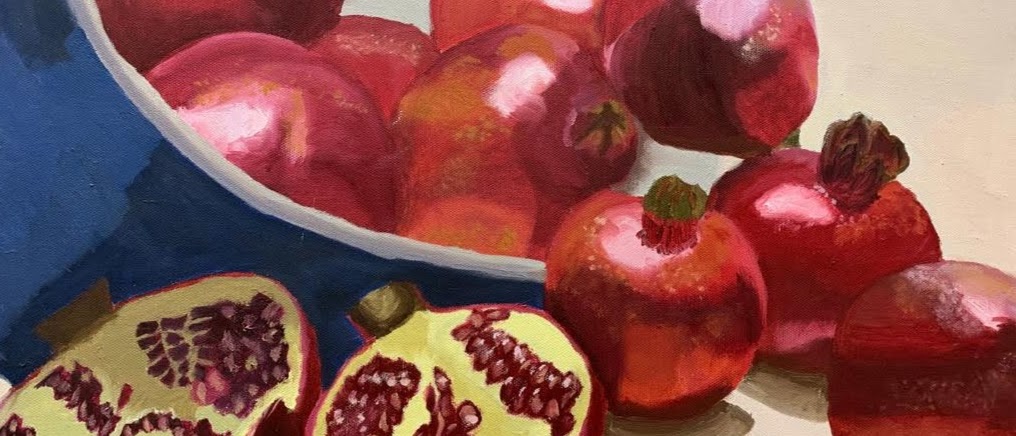
The mitzvah of Birkat Ha-mazon applies in every generation to everyone. Why then do we bless Hashem for the land of Israel whether or not one lives in Israel? Just as Birkat Ha-mazon ensures we don’t take our physical food for granted, so too it ensures we don’t take Israel and its physical and spiritual gifts for granted, wherever we are in the world. Shabbat Shalom🍞🍇-Karen Miller Jackson


Parshat Shelach: Seeking Positive Zionism

How is parshat Shelach a model for talking about Israel’s imperfections alongside positive Zionism in our world today? 

As the book of Bamidbar continues to describe Bnei Yisrael’s downward spiral of discontent in the desert, the spies are sent to scout out the land of Israel. Two words in this narrative highlight the depths of the spies’ mistake. Ten of the spies speak “dibbah,” or “libel” about the land of Israel. This negativity spreads among the nation, leading to punishment: that generation would die out in the desert. Rashi comments that “dibbah” refers to being an “influencer.” The spies influenced others to be negative as well. Moreover, the Ramban comments that the spies’ use of the word “efes” was their downfall, as it shut down the possibility of dialogue and conveyed that entering the land was impossible. Both words are indicative of language which shuts down constructive communication and spreads discontent. 

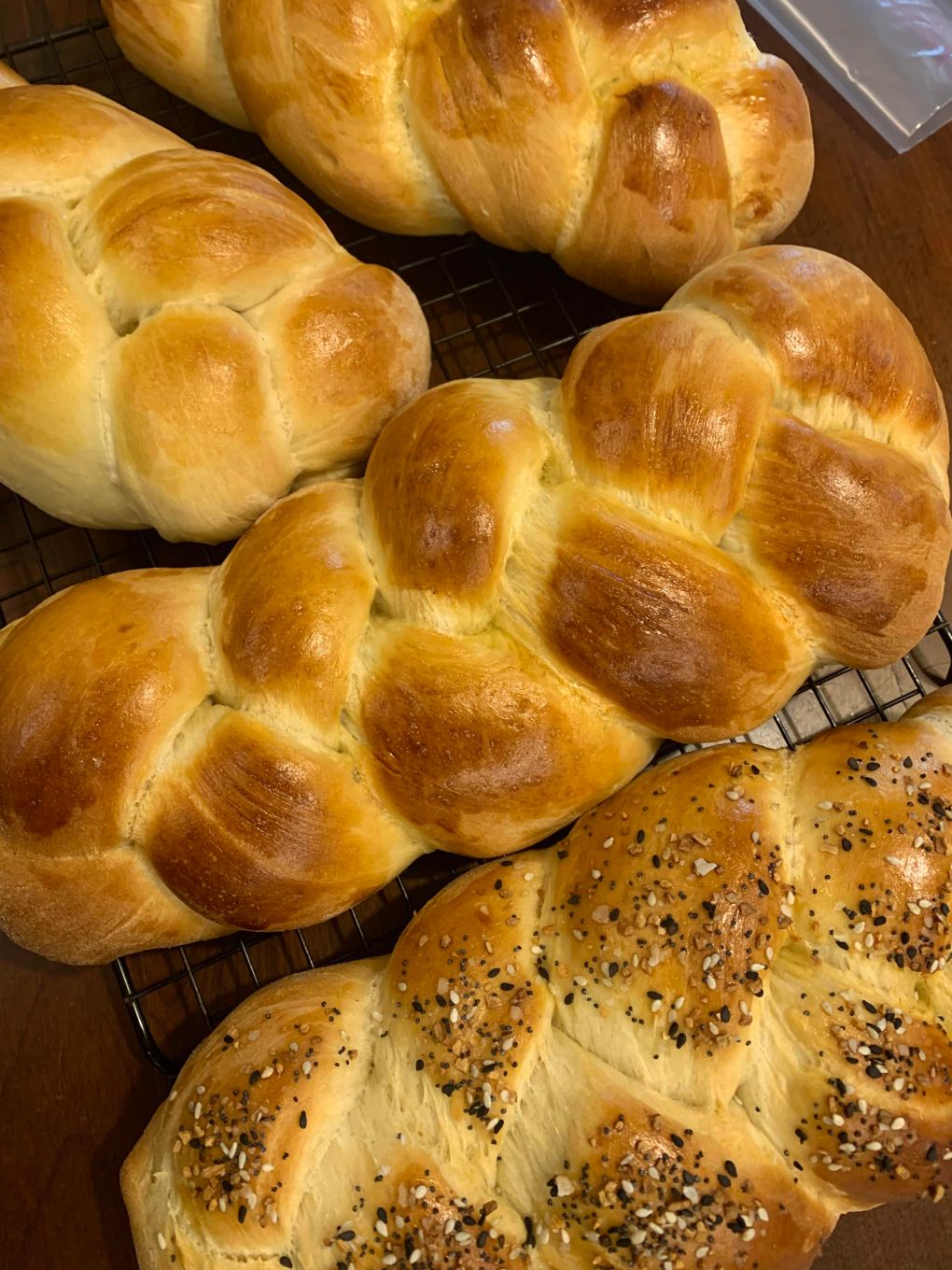
Yet, the parsha also contains seeds of optimism through the mitzvah of challah, the separating of the dough. This commandment originally only applied to Jews living in the land of Israel. However, Rambam teaches, based on rabbinic decree, that the mitzvah of challah should be observed by Jews anywhere in the world, so that it is not forgotten. Rashi, citing midrash Sifre, notes the Torah’s unique and urgent language used regarding mitzvat challah: “בְּבֹאֲכֶם” – “As you enter.” It applies even before settling the land. Perhaps this highlights how easy it is to take the land of Israel for granted. Fulfillment of challah is an expression of appreciation and optimism about Israel throughout Jewish history, whether one lives in Israel or the diaspora. 

The parsha’s language teaches that the mitzvah of challah provides an opportunity to make a tikun (correction) for the communication failures of the spies and to express our appreciation of and hopes for Israel. Shabbat Shalom -Karen Miller Jackson


Parshat Va’era: Personal and National Healing

Parshat Va’era contains numerous requests for prayer and healing, surprisingly, from Pharaoh. During the plagues, Pharaoh asks Moshe to pray to God for him. The word which Pharoah repeatedly uses is ויעתר, “to entreat.” An exploration of the various uses of this word in Tanach provides a powerful message about prayer for healing and for current events in Israel.

The first occurrence of ויעתר, entreaty or petitioning of God, is when Yitzchak prays for a child. The Sages debate the deeper meaning of the word ויעתר. One interpretation: Yitzchak’s prayers become more frequent and urgent. Entreaty here means prayer in abundance. Pharaoh, however, does not pray himself, he entreats Moshe to pray. The midrash explains that Pharaoh was too full of pride and arrogance to have his prayers heard. Only Moshe’s pleadings on his behalf could be effective. From this we learn that haughtiness and intractability can block tefillot from being heard. In order to be able to petition God for mercy toward us, we need to be open to modifying our own frame of mind and foster compassion within ourselves. 

These examples are about prayer for individual healing. In Yirmiyahu, the root “עתר” is applied to the healing of the nation of Israel. Even amidst the destruction God promises, “I will heal them and reveal to them abundance (עתרת) of peace and truth.” The midrash learns from this that communal prayer – עתרת – is only heard when there is shalom amongst the people.

The past few weeks in Israel have been filled with genuine uncertainty and protests, alongside extreme and detrimental language, over proposed plans for judicial reforms. The biblical term for entreaty – עתר – provides a model for modern Israel: Effective change and national healing comes about by promoting peaceful debate with a dose of humility. Shabbat Shalom – Karen Miller Jackson 

*Israelis protest against Prime Minister Benjamin Netanyahu’s government, in Tel Aviv, on January 14, 2023. (Jack Guez/AFP) From Times of Israel https://www.timesofisrael.com/some-80000-rally-in-tel-aviv-against-governments-sweeping-judicial-overhaul/