Pinchas: Learning Leadership from the Women

“Be a light, not a judge. Be a model, not a critic” – Stephen Covey

Parshat Pinchas profiles various types of leadership. Among them, the daughters of Zelophehad demonstrate how to lead positive change. They are a much needed model for today. 

After the Torah describes how the land of Israel will be divided, the five daughters of Zelophehad approach Moshe and request an inheritance in Israel, as they have no brothers to inherit land. The commentaries characterize them as having great “chibah” (love) for Israel. The Talmud goes even further, describing them as “darshaniyot” (interpreters), tzidkaniyot (righteous) and “chachmaniyot” (wise). How do we see these qualities in their behavior?

The daughters emphasize that their father “died by sin in the midbar,” but not as a part of Korah’s congregation. Rashi teaches that they emphasized that while their father sinned, he did not lead others to sin like Korah. Also, Korah spread unfounded criticism and refused to engage in dialogue with Moshe. 

The midrash also contrasts the daughters of Zelophehad with the story of the spies. The spies slandered the Land of Israel and spread negativity among the nation. After their words, the people said they wanted to return to Egypt, leading to catastrophe for that generation. The midrash views the daughters’ words to Moshe as the opposite of the language and behavior that previously led to disasters in Bamidbar. They are proactive. They embrace dialogue and use positive language by saying: “We want to be part of this too!” 

Hashem’s response is “The daughters speak justly.” The midrash sees this as deep affirmation. The Talmud pays them the ultimate compliment: it teaches that the laws of inheritance for daughters are attributed to, and written by, the daughters of Zelophehad. After the earlier stories of people who found ways to criticize and sow discord, these five women model proactivity, dialogue, positivity, and love of the Land of Israel. Shabbat Shalom – Karen Miller Jackson

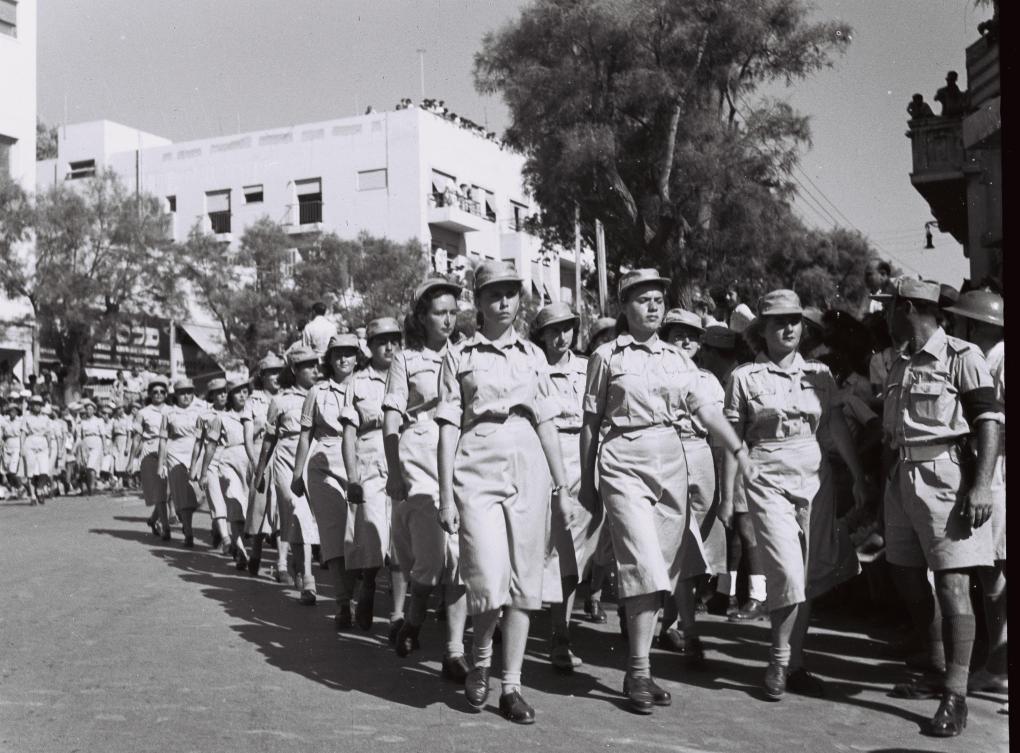
*photo https://he.wikipedia.org/wiki/%D7%97%D7%99%D7%9C_%D7%A0%D7%A9%D7%99%D7%9D#/media/%D7%A7%D7%95%D7%91%D7%A5:Chel_Nashim_IDF1948.jpg


Ki Tissa: Learning from Shattered Luchot

What can be learned about leadership from Moshe’s reaction to the golden calf? Is it ever acceptable for leaders to speak or act out of anger? The commentaries on parshat Ki Tissa provide some insight.

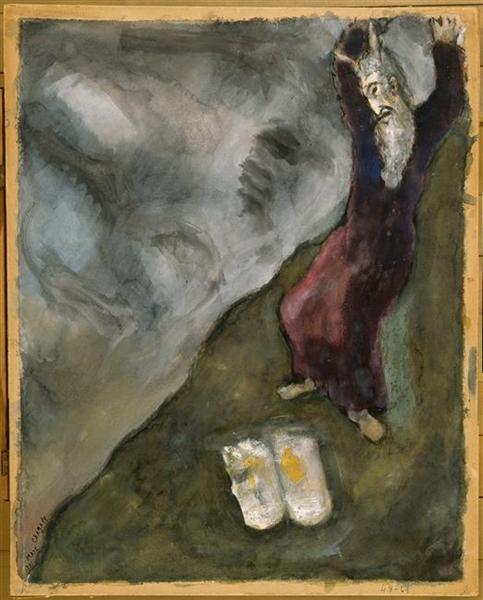
When Israel commits the sin of the golden calf, the Torah states that Hashem became angry, so to speak, and Moshe calmed God’s anger. God tells Moshe “leave Me be so that My anger may blaze forth against them.” Yet, after succeeding in turning back God’s anger, Moshe seems to lose control upon coming down the mountain and seeing for himself the people celebrating with the calf. The parallel between God and Moshe’s anger is reinforced by the Torah’s use of the same words: ויחר אף. Next, Moshe throws down the first set of luchot (tablets) and shatters them.

Was Moshe’s shattering of the luchot condoned by God? One view is that not only was Moshe right to break the luchot, but God even agreed with this act. God tells Moshe to make a second set of luchot, with the same words as on the first ones which he had shattered, אשר שברת. This is interpreted in Talmud Shabbat with a wordplay – strength to you (yashar kochecha) for shattering them. Here, God affirms Moshe’s action. A more critical view is found in Devarim Rabbah, where God reprimands Moshe for breaking the luchot. Since Moshe broke the luchot from a place of fury, God punishes Moshe by having him re-make the second set of tablets. Here, Moshe’s greatness is in accepting this.

The Talmud also teaches that the broken luchot were kept in the same ark as the new luchot, due to their sanctity. Perhaps it was also to serve as a warning. The image of carrying the broken luchot can be a reminder to modern leaders as well, who hopefully strive to be like Moshe, that they have a responsibility to not react from anger nor spread enmity, but rather to model good character and temperament toward each other and the world. Shabbat Shalom – Karen Miller Jackson