Parshat Shoftim: Supporting Our Soldiers

I can’t stop thinking about a deeply moving video clip that went viral in Israel this week. Udi Kagan—an extraordinarily courageous and talented performer—shared his personal journey of living with and overcoming PTSD, both after his army service and again after October 7. His testimony illuminated the Torah’s discussion of soldiers and fear in Parshat Shoftim.

In Devarim 20, the Torah describes the mobilization for a voluntary war. Before the people go out to battle, the kohen addresses them with words of encouragement: “אל ירך לבבכם—“Let your hearts not be faint”—reminding them to place their trust in Hashem as their source of strength. Rashi notes that the verse uses four distinct expressions for fear, each describing a different dimension of the terrors of war. The Torah thus affirms that fear is natural. True courage, it teaches, comes not from denying fear but from acknowledging it and striving to overcome it.

At the same time, the Torah recognizes that for some, fear and anxiety can be overwhelming. The one who is “הירא ורך הלבב”—fearful and fainthearted—is exempted from battle, lest he spread panic to others. The Mishnah in Sotah offers two interpretations: Rabbi Akiva understands it literally—terror at the prospect of war. Rabbi Yose HaGlili explains it as spiritual anxiety—a sense of unworthiness because of sin. Either way, the Torah demonstrates a keen psychological understanding of fear and trauma, and openly addresses it with understanding and compassion.

Fear and trauma are not sources of shame, but part of the human reality. Many of our soldiers carry hidden struggles from what they have endured. Our task is to make it easier for them to seek help, and to be the kind of friends, families, and communities who meet them with compassion and support. Shabbat Shalom -Karen Miller Jackson

To hear Udi Kagan: https://www.youtube.com/watch?v=3sVqhVJYSzk

Parshat Shoftim: Great Responsibility

“With great power comes great responsibility.” In Parshat Shoftim, societal leaders—whether judges, prophets, sages, or kings—are commanded to pursue justice and adhere to a strict code of ethical behavior. However, there are times when every individual is called upon to engage in introspection and take responsibility for the welfare of society as well.

Devarim 21 describes the mysterious ceremony, done in biblical times, of “eglah arufah.” When a murder victim is discovered outside a city and the identity of the killer is unknown, the elders of the closest city take an unworked heifer and break its neck. Then there is a two-part tikkun. First, the leaders are called upon to take responsibility, which consists of a declaration: “Our hands did not shed this blood, nor did our eyes see it done,” and then a prayer to God: “Absolve Your people Israel whom You redeemed…” 

What is the purpose of the leaders declaring “our hands did not shed this blood”? Rashi, citing midrash Sifrei asks, “do we really think the elders are murderers?” Rather, they mean that they never encountered this victim, and they did not leave a vulnerable person without help. This ritual underscores the value the Torah places on each and every life and the heavy responsibility on leaders to protect their people. Why, then, do they pray that God absolves all of Israel and not just themselves? When an innocent life is taken and justice is not served, the moral deficiency can reverberate in the nearby city and throughout all of Israel. So all of Israel must pause and reflect on what has occurred. This is why the tefillah seeks redemption for the entire nation. 

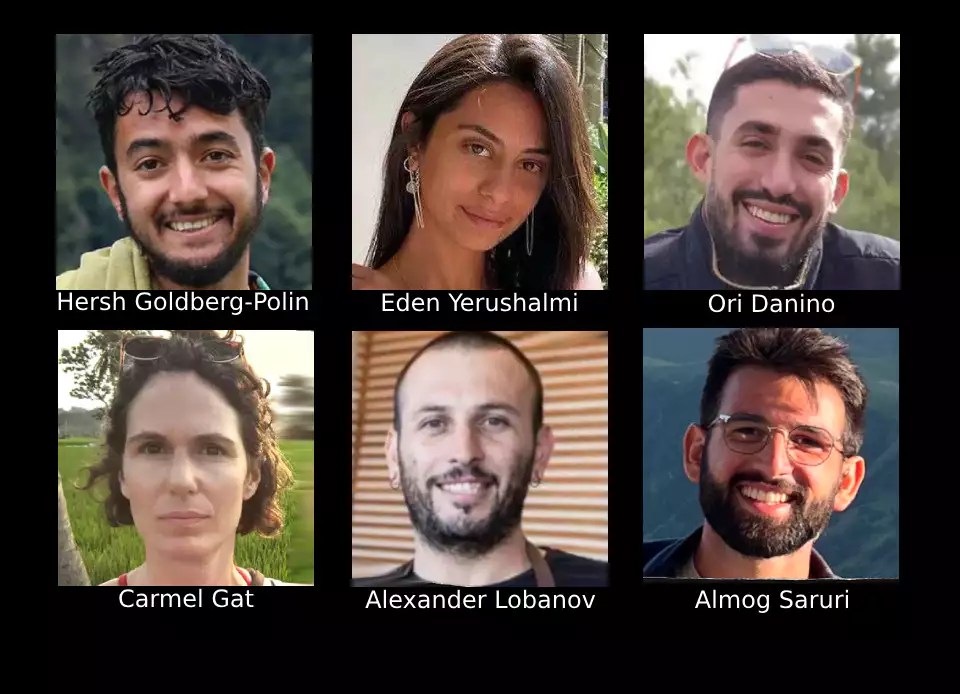
The eglah arufah is no longer practiced, but its core ideas remain relevant—especially this week. May the memories of Alexander, Almog, Carmel, Eden, Hersh, and Ori be a source of societal healing and redemption in our time. Shabbat Shalom -Karen Miller Jackson


Parshat Shoftim: True Leadership

“True leaders understand that leadership is not about them but about those they serve. It is not about exalting themselves but about lifting others up”. -Sheri L. Dew

The laws of various types of leadership discussed in parshat Shoftim highlights the challenges and moral responsibility involved in being a leader and also empowers individuals in choosing good leaders. 

Alongside the Torah’s command to appoint judges in every town, comes the warning to judges not to show favor or take bribes and: “justice, justice you shall pursue.” When the people want a king, the Torah enumerates various ways the king may abuse his powers – the king must not have too many wives or riches and must keep a Torah scroll with him to be mindful of God and mitzvot. Shoftim also talks about priests and prophets, who are chosen by God. Yet, there are limits to their power – the kohanim don’t receive inheritance and the navi must be careful to only relay the word of God. Along with stature comes sacrifice and responsibility. 

Yet, there is also responsibility placed on the shoulders of individuals.

The Sefer Hachinuch teaches that the biblical command to appoint judges to a beit din (religious court) is “incumbent on every community, in every place.” The establishment of just and moral leadership comes about partly through the people who appoint them. This idea is further reinforced by the interpretation of “צדק צדק תרדוף” – “Justice, justice you shall pursue.” The midrash Sifrei teaches that this means you (the individual) must “seek out the finest beit din.” We, the people, have a call to duty and to ensure justice as well.

These ideas are also reflected in the tefilla we say for the State of Israel. We pray to God: “bestow Your light and truth upon its leaders, ministers, and advisors, and grace them with Your good counsel.” May we choose and be blessed with moral, just and inspiring leaders in our time. Shabbat Shalom – Karen Miller Jackson


Parshat Shoftim: Seeking Great Leaders

“Leaders do not do the work on behalf of the people. They teach people how to do the work themselves.” – Rabbi Lord Jonathan Sacks, zt”l

Parshat Shoftim is a call to just and moral leadership: Appoint judges; Don’t judge unfairly; Don’t take bribes nor be partial and famously, “Justice, justice you shall pursue.” Who exactly is being commanded to fulfill these crucial mitzvot?

At first, it seems these words are directed at judges. However, several commentaries suggest otherwise. These verses seem to be speaking not only to leaders, but also to individuals. The Sefer Hachinuch teaches that the biblical command to appoint judges (referring to a religious court – beit din) is “incumbent on every community, in every place.” The establishment of just and moral leadership comes about partly through the people who appoint them. This idea is further reinforced by the interpretation of “צדק צדק תרדוף” – “Justice, justice you shall pursue.” The midrash Sifrei teaches that this means you (the individual) must “seek out the finest beit din.” We, the people, can take steps to ensure true justice.

This verse is appropriately also applied to Rebbe Yehuda HaNasi, compiler of the Mishna and a model of wise, compassionate and just leadership. The Talmud in Ketubot teaches “pursue justice” means: run to Rebbe’s beit din in Beit Shearim. This appears in the story of Rebbe’s last will and testament, where he practices outstanding leadership even on his deathbed. He ensures the continued honor of his widow (who was only stepmother to his children) and the honor of his household servants. He set up continuity of leadership through his sons and values fear of sin in a leader over great wisdom. He balances honor to a Torah scholar who has died (himself) alongside humility. May we be blessed with the ability to choose similar moral, just and compassionate leaders in our time. Shabbat Shalom – Karen Miller Jackson

*Photo from https://www.europeanbusinessreview.com/effective-leadership-9-ways-to-support-your-team/


Courageous Women

“The best protection any woman can have…is courage.” – Elizabeth Cady Stanton

In discussing the laws of going to war, parshat Shoftim provides a model for coping with fears and anxieties as well as insight into what courage and commitment look like in serving one’s nation.

When the people approach a battlefield, the kohen is instructed to address them. His speech encourages the people to overcome their fear and to rely on their belief in Hashem as a source of strength. True courage is when one takes action despite one’s fears. In a voluntary war, the Torah lists several groups of exemptions due to circumstance. Surprisingly — given the kohen’s previous exhortations to overcome fear — the list of exempted people culminates with a person who is “afraid and disheartened.” Rabbi Akiva understands this to be literal: the Torah recognizes that some may be unable to overcome their anxiety, and ensures that they are encouraged to leave so they do not spread panic.

However, in a biblically mandated war (milchemet mitzvah) such as a war of self-defense, everyone is required to participate, even those who are fearful. Necessity and duty outweigh fear. According to the Mishna, even women are included in a milchemet mitzvah. The Radbaz says this is only a suggestion, and states that women served in support roles but not in combat. This is the halakhic basis for women who choose to serve in non-combat units in the IDF.

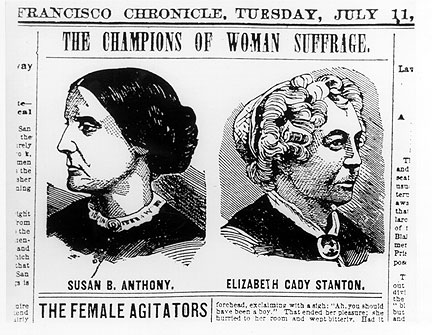
Stepping up (and leaning in) takes courage. This week marked the 100th anniversary of women’s suffrage. The right to contribute to society — to vote, to pursue education, to choose to serve in the IDF — may seem natural for women today, but it took courage and vision. Drawing on the strength and courage of the women and men who fought to make the world better, there is much more we can do. Shabbat Shalom and Chodesh Tov